
Tattoo Styles

A tattoo style decides how your idea is drawn: how heavy the lines are, whether it uses color, and how shading builds depth. Use this list of tattoo styles to compare popular looks side by side, then open a style to browse its designs. Further down, you'll find help choosing a style, the pairs people often mix up, and more tattoo styles worth knowing.

Explore Popular Tattoo Styles

Compare the lines, color and shading in each example, then open a style to browse its full guide and designs.

Types of Tattoo Styles Compared

Lines, color and shading are the quickest ways to tell tattoo styles apart. Use this tattoo styles chart to narrow the list before you look at full designs.

StyleLinesColorShadingCommon subjects
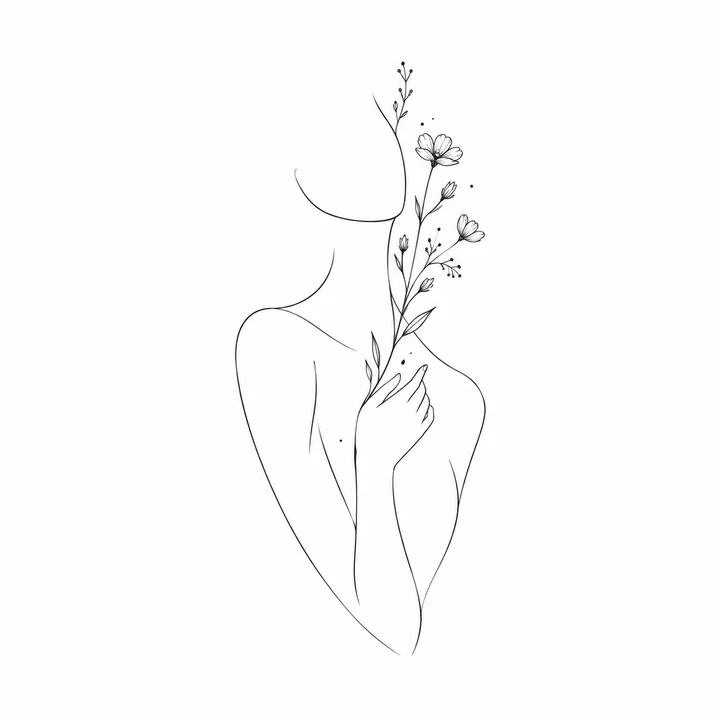
Fine LineThin, precise linesMostly black inkLittle or none; some add subtle shading or dotsFlowers, small symbols, lettering and nature
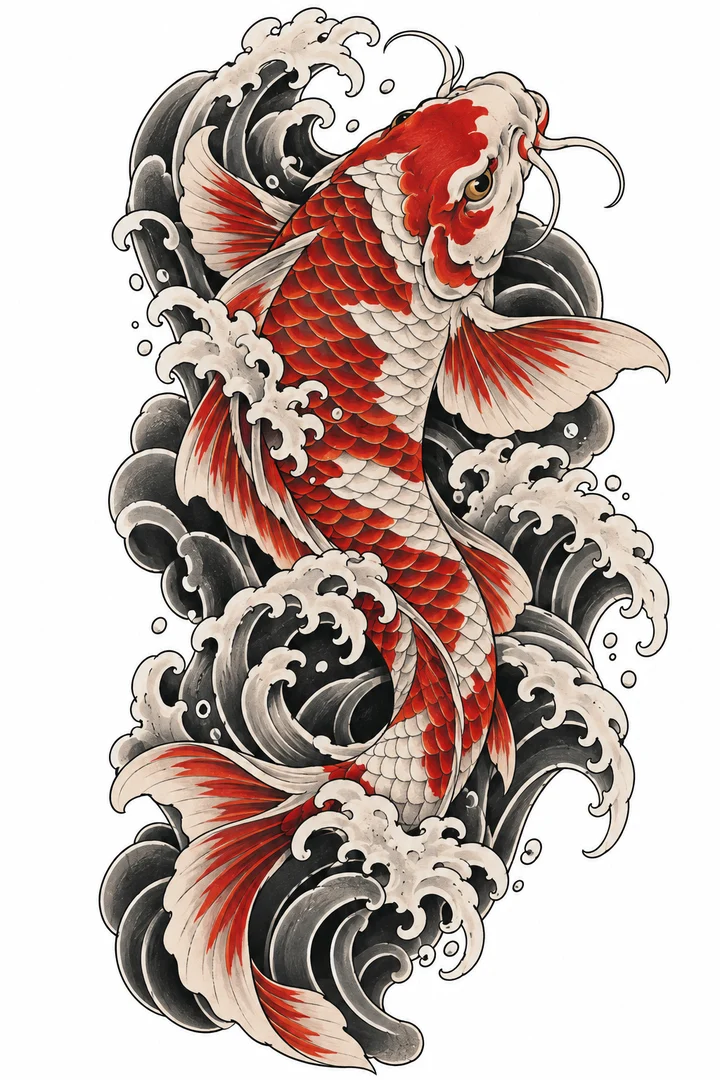
JapaneseClear, confident contoursColor or black and greyDeliberate shading; dark backgrounds such as water or wind frame the subjectKoi, dragons, peonies, guardian figures and mythical creatures
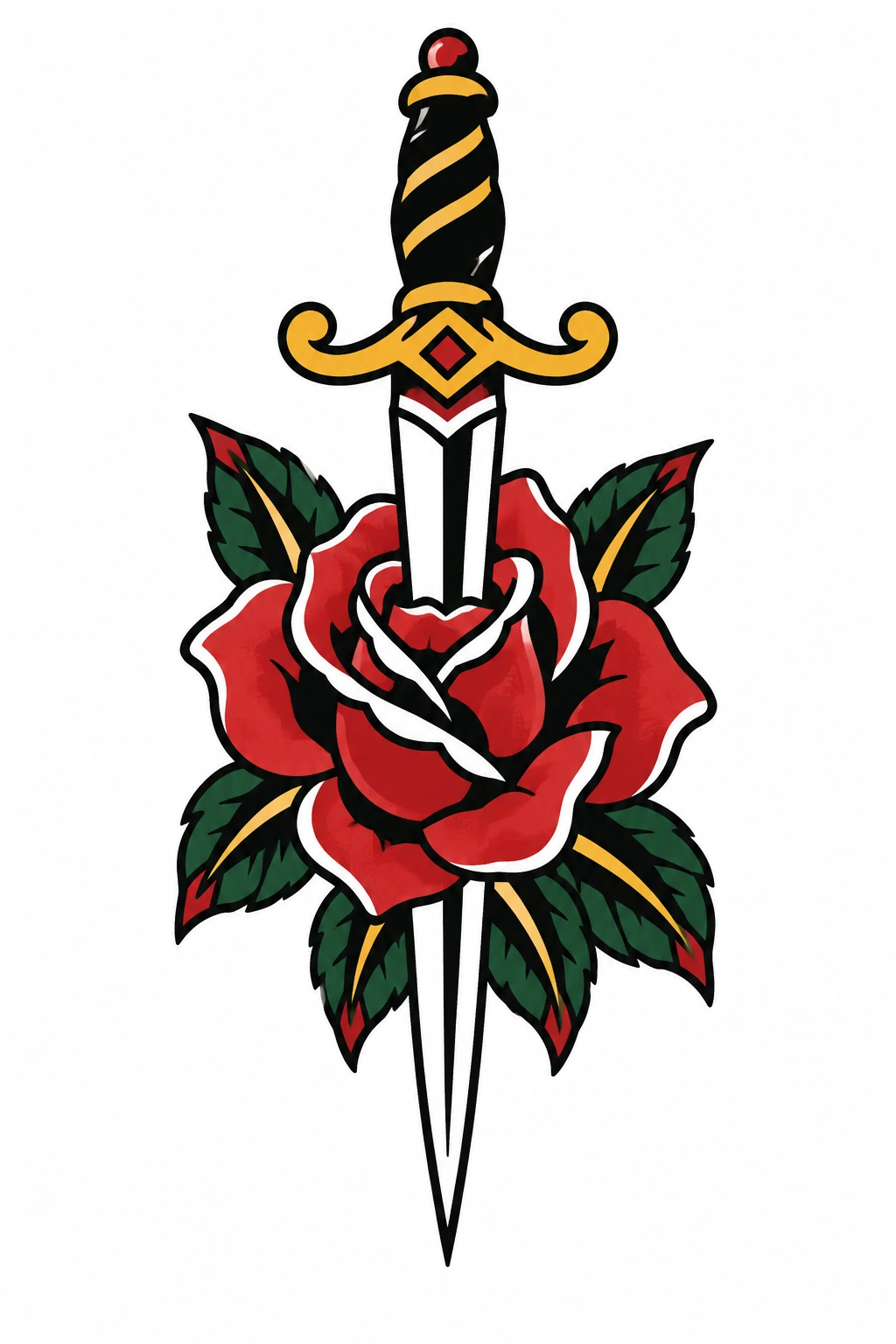
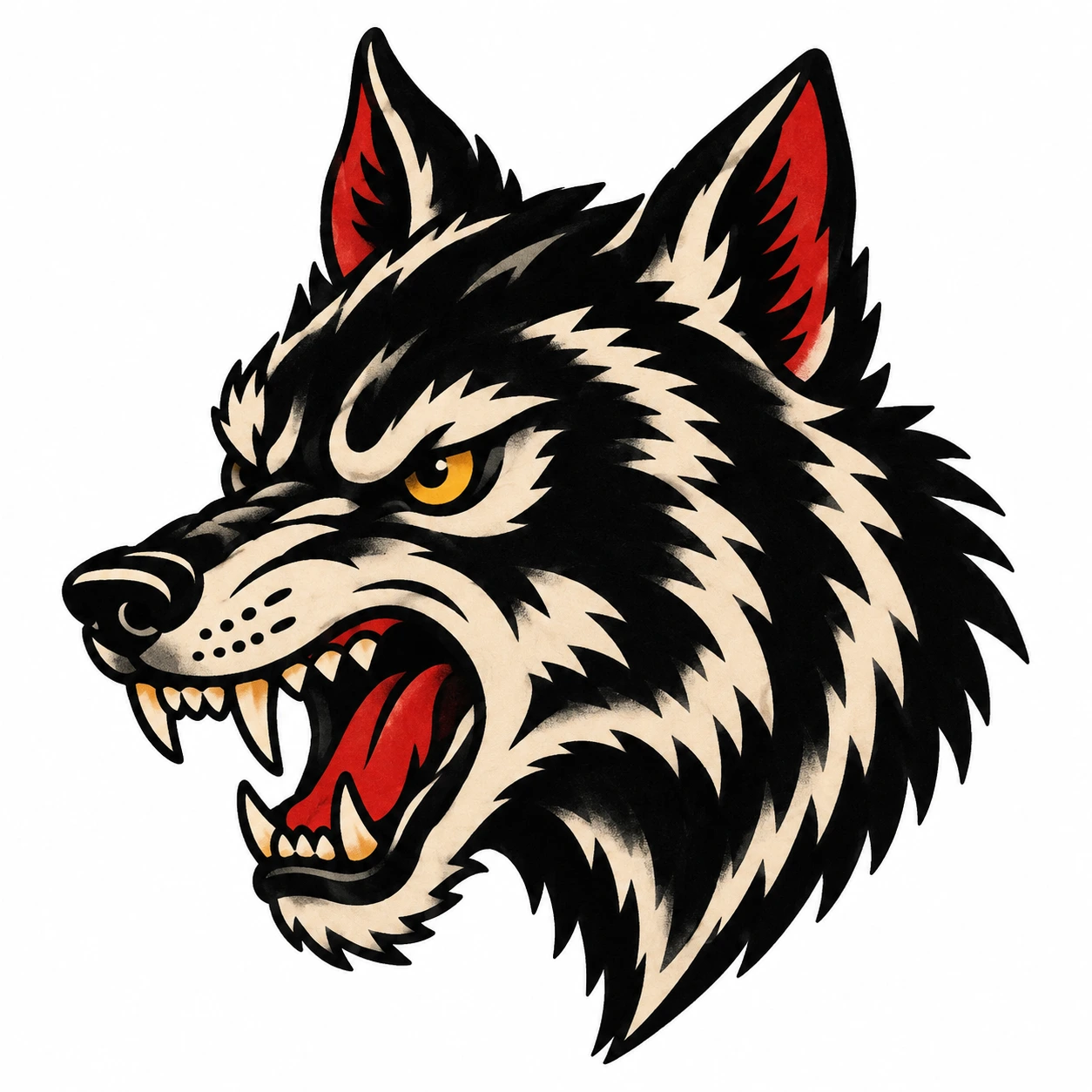
American TraditionalBold, fairly even outlinesBlack with red, green, yellow and blueSolid black shading, flat color and open skinEagles, swallows, daggers, roses and anchors
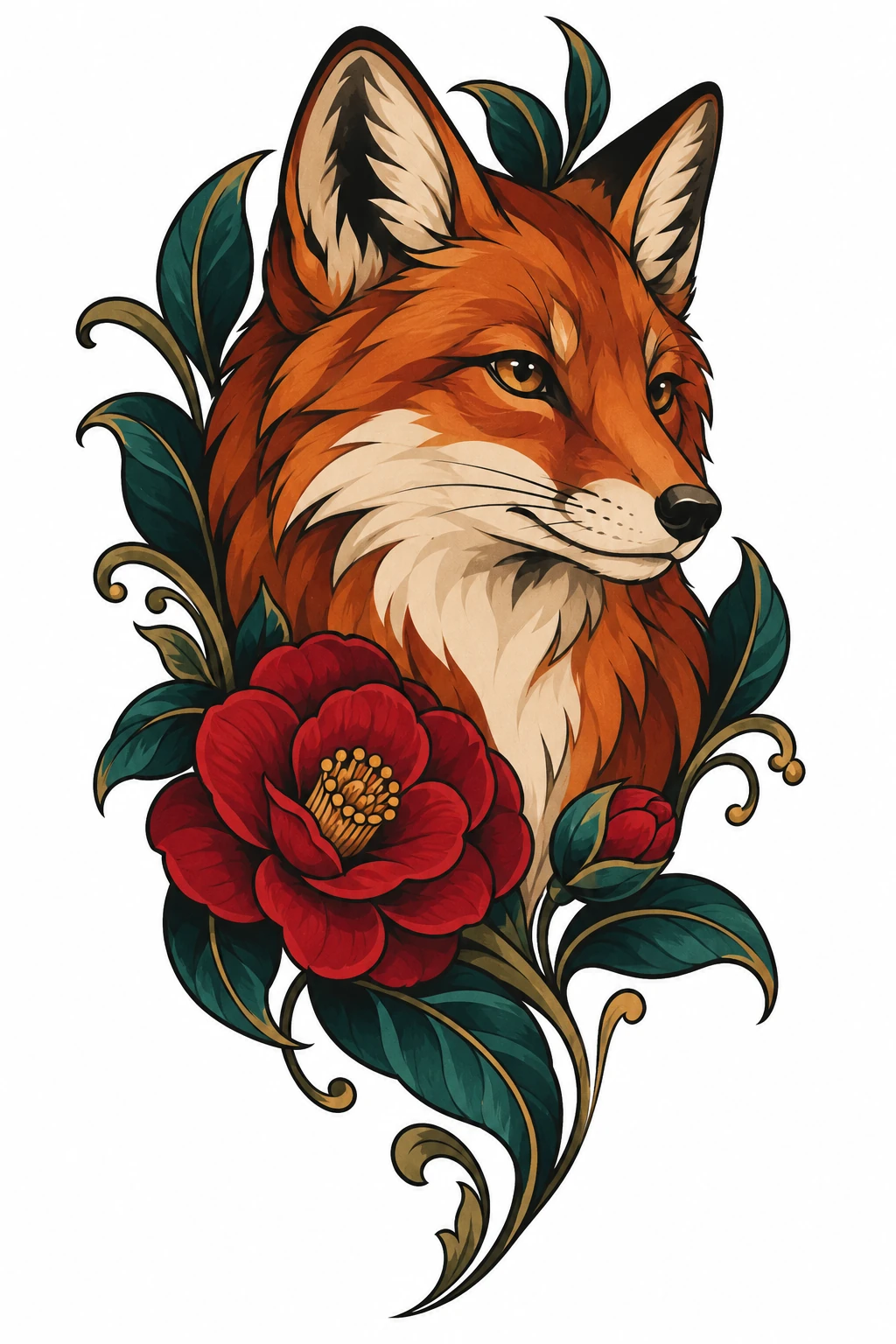
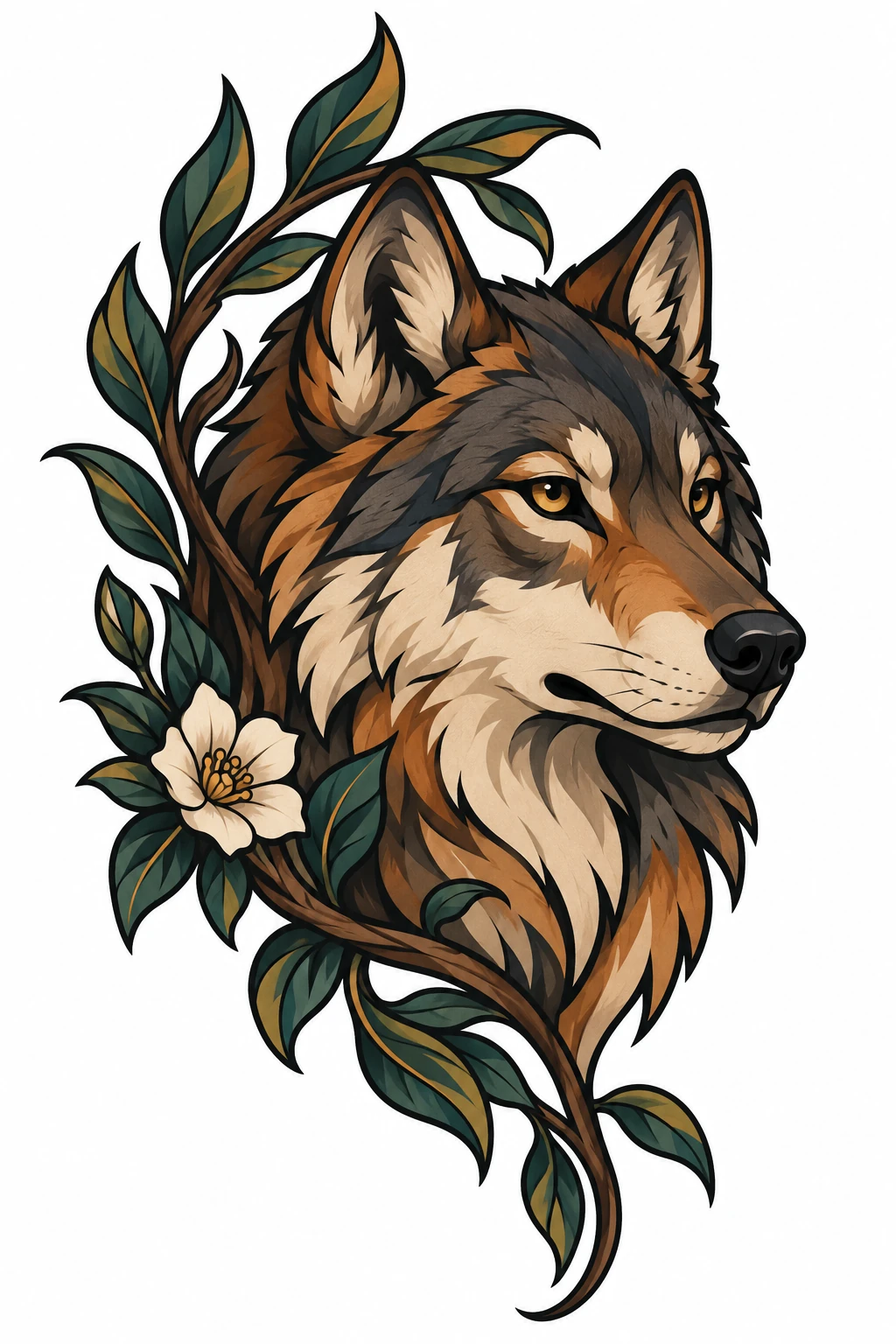
Neo TraditionalBold outer outline, finer interior linesWider range, such as teal, olive, ochre and deep redBlended and dimensional, but still stylizedAnimals, portraits and flowers with decorative framing
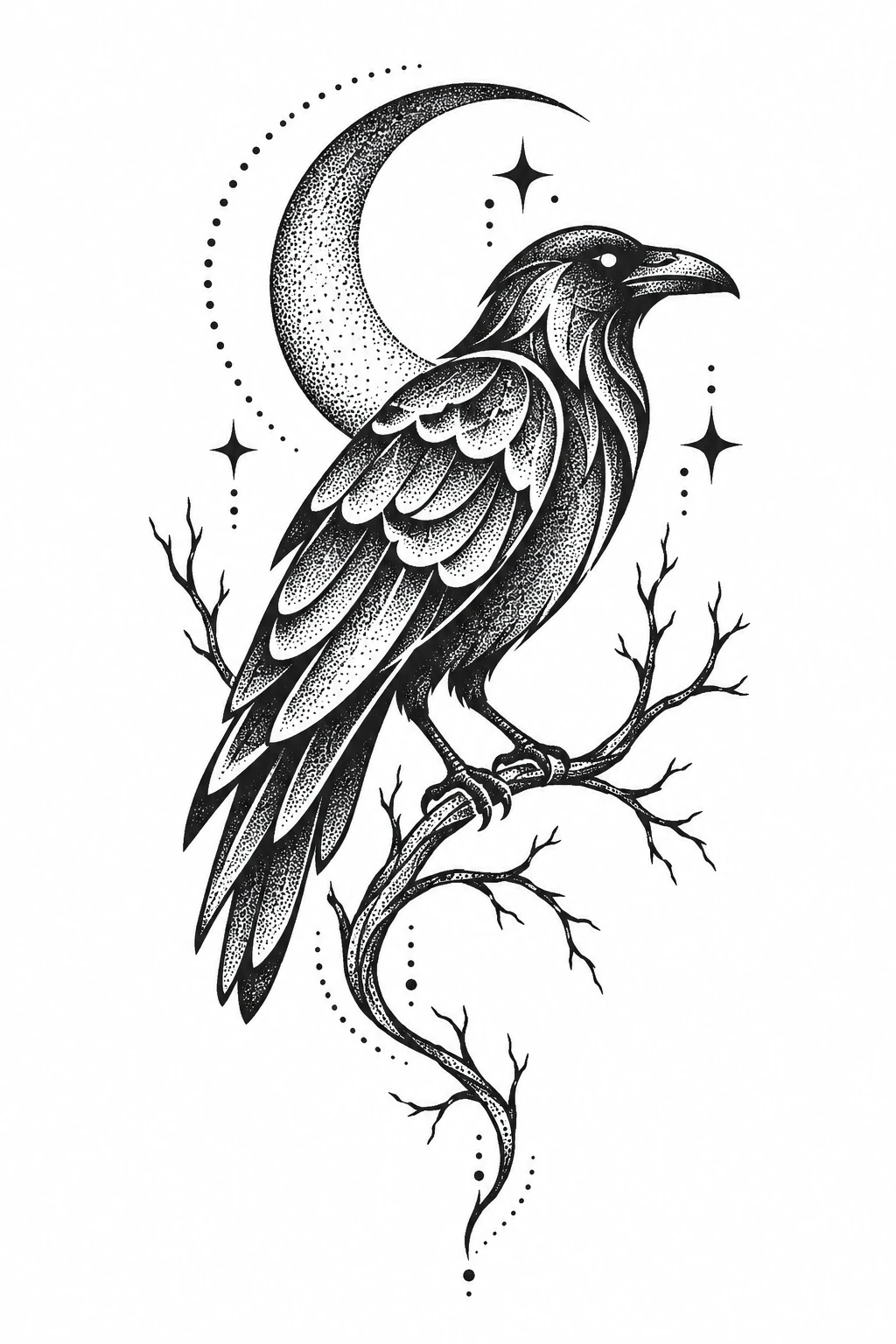
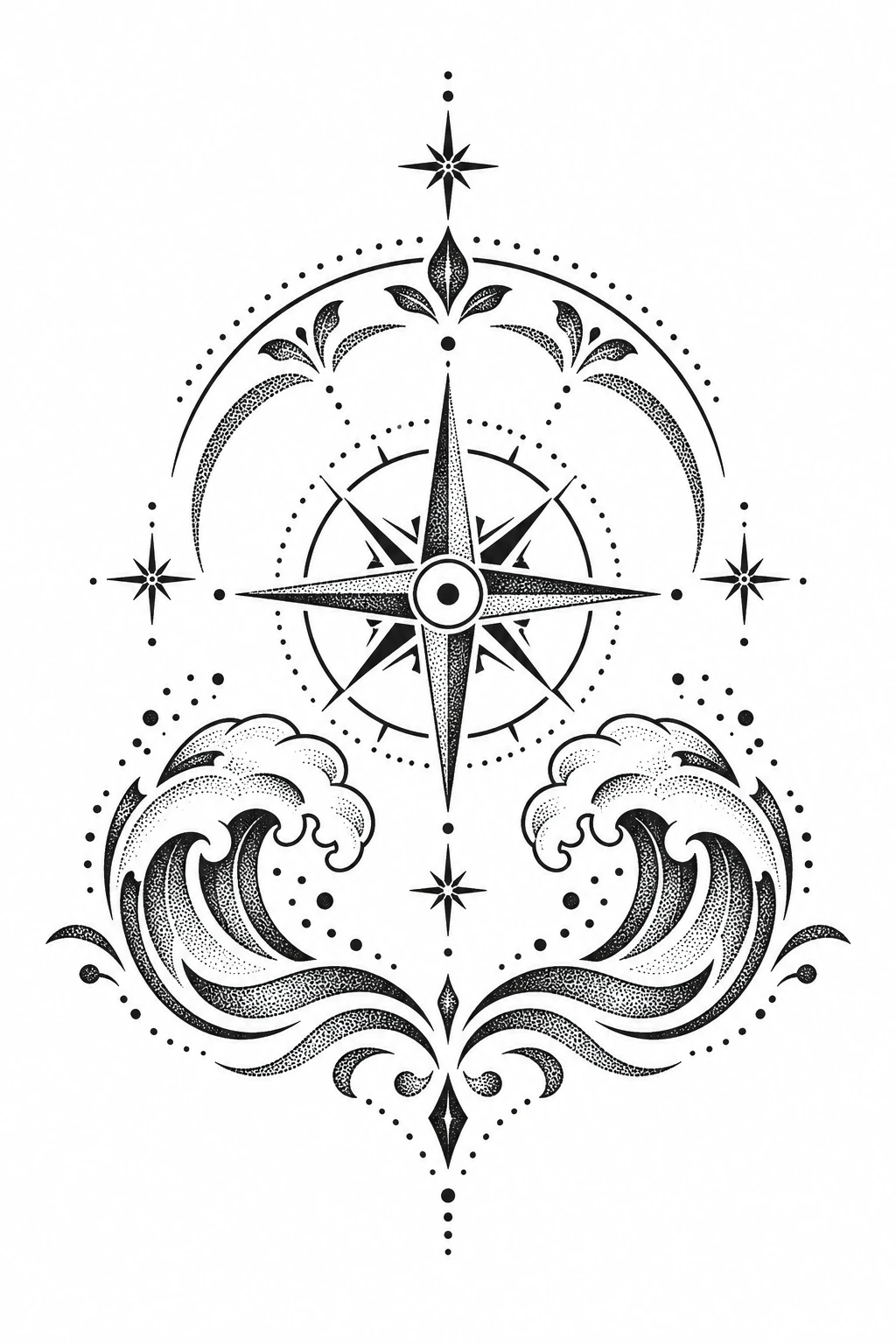
DotworkOutlines with dotted accentsUsually black or greyDot density creates tone: closer dots read darkerMandalas, animals, botanicals and portraits
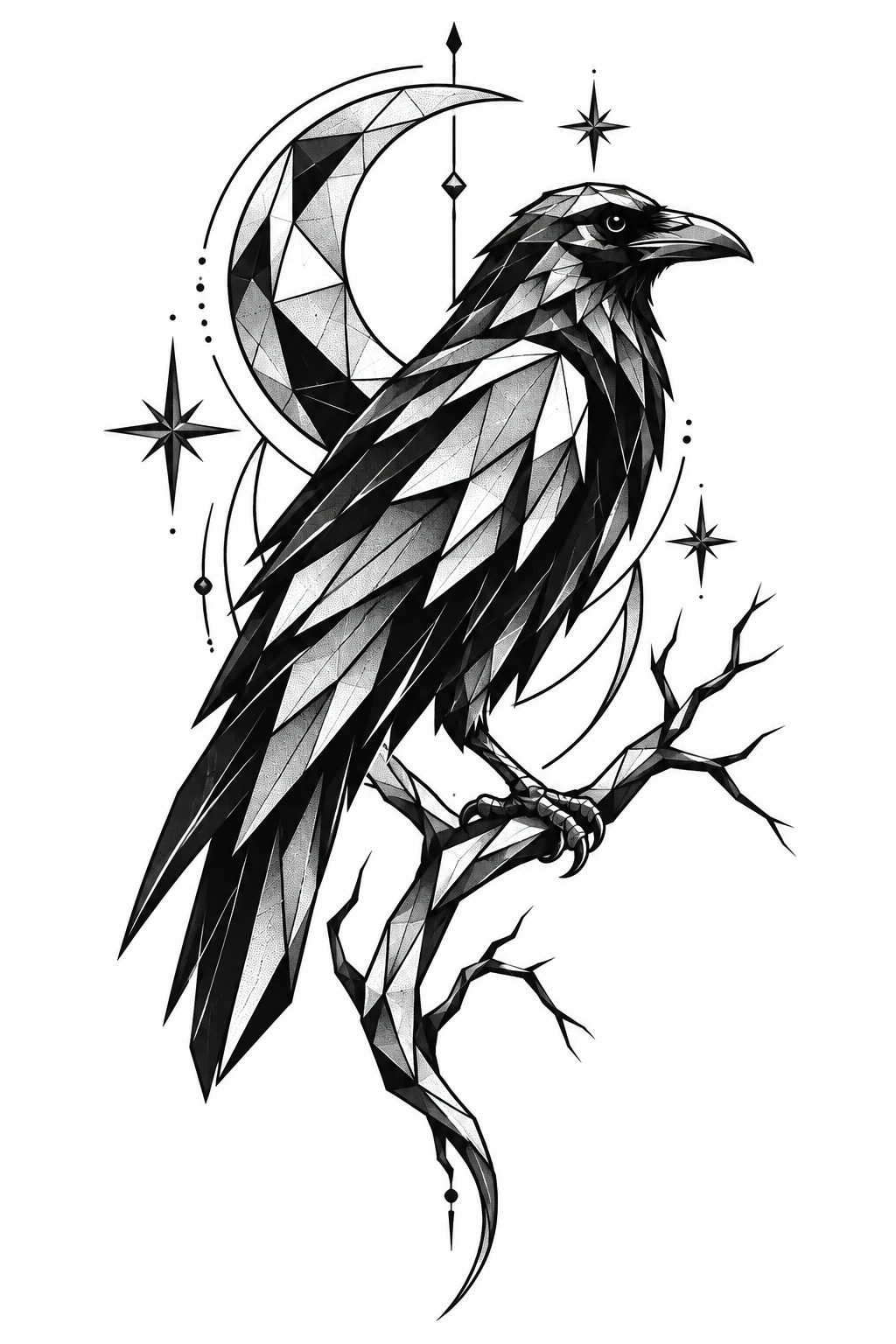
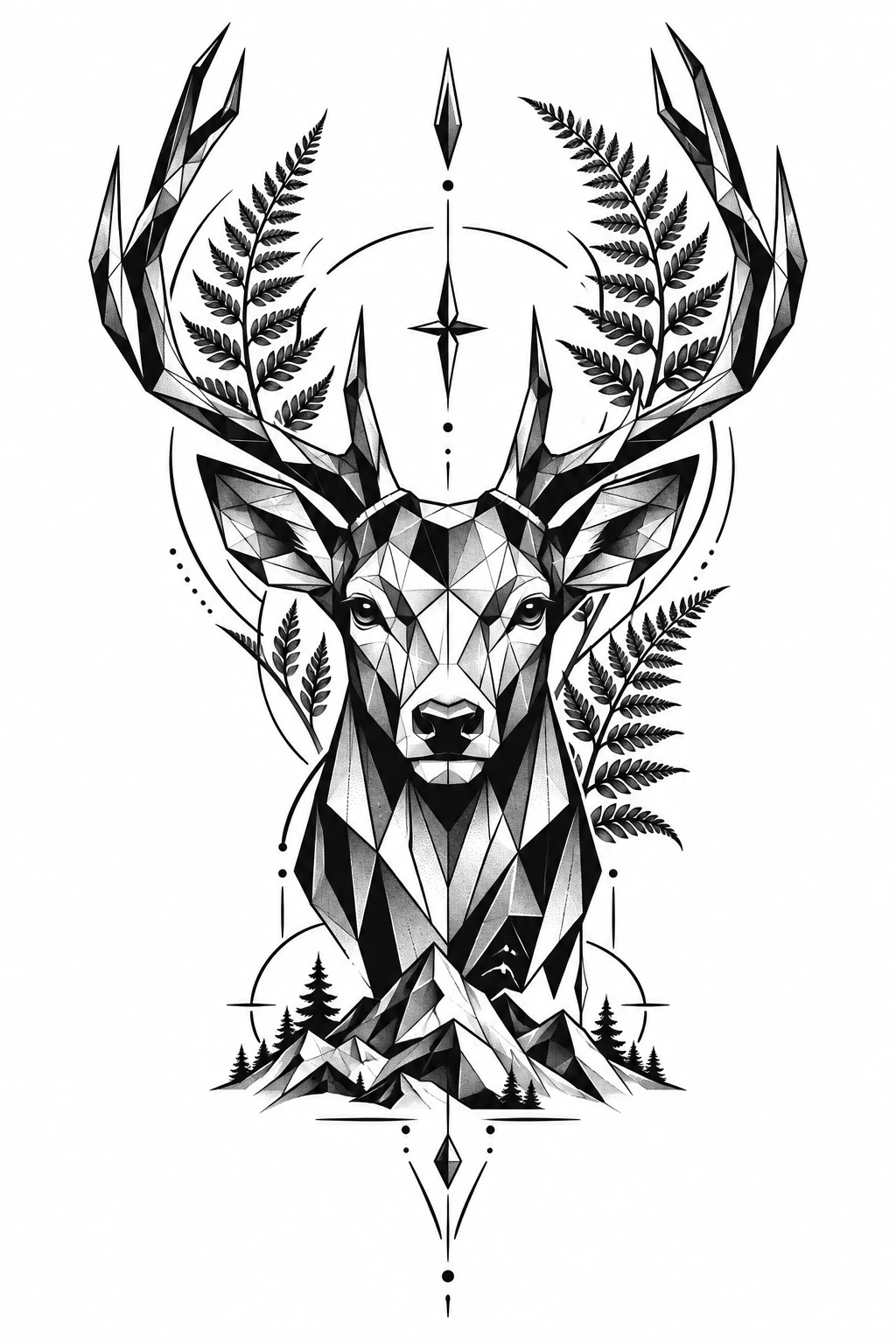
GeometricPrecise lines with a strong outer contourMostly black inkSolid black planes, open skin and light stipplingFaceted animals, sacred geometry and symmetrical patterns

More Tattoo Styles to Know

Beyond the six styles above, these are names you'll often see in tattoo style lists and artist portfolios. Each note shows where the style sits next to the ones on this page.

  • Blackwork

    Bold areas of solid black ink, often balanced by open skin. Where dotwork builds tone from dots, blackwork fills the shape in. Illustrative blackwork uses the same heavy black to draw a full picture.

    Try Blackwork in the generator
  • Black and Grey

    Black ink diluted into a range of greys for smooth, soft shading, with no color. It's the usual approach for realism and portraits, and a softer alternative to the stippled tone of dotwork.

    Try Black and Grey in the generator
  • Realism

    Designs that aim to look like a photograph, such as portraits, animals or objects, built from smooth tonal shading and often with little or no visible outline. It's the opposite approach to the bold outline of American traditional.

  • Watercolor

    Soft washes and splashes of color that imitate watercolor paint, often with little or no outline. Many artists add black linework to keep the shape clear.

    Try Watercolor in the generator
  • Illustrative

    A broad label for tattoos drawn like book or print illustration, mixing linework, shading and sometimes color. Neo traditional and illustrative blackwork both sit close to it.

  • Old School

    Another name for American traditional: bold outlines, a limited palette and classic flash subjects such as swallows, roses and anchors.

    See American traditional
  • New School

    A cartoon-like style with exaggerated proportions, very bright color and thick outlines. It keeps the bold outline of traditional work and pushes everything else further.

  • Tribal

    Bold, solid black patterns that follow the curves of the body. The name is used loosely for designs inspired by many cultures; if a design draws on a specific tradition, it's worth learning what its patterns mean.

  • Polynesian

    Patterns from Pacific Island tattoo traditions, such as Samoan, Marquesan and Māori work, built from repeated black motifs that wrap the arm, leg or chest. The motifs carry cultural meaning, so many people look for an artist who knows the tradition.

  • Chicano

    Fine black and grey work rooted in Mexican-American communities in Southern California, often featuring portraits, lettering, religious imagery and roses.

  • Script and Lettering

    Tattoos built from words, such as names, dates or quotes. Script usually means flowing, handwritten letters; lettering covers any type style, from bold blackletter to clean print.

    Try tattoo fonts
  • Trash Polka

    A collage style that mixes realistic black imagery with bold red brushstrokes, splatters and text. It began in Germany and almost always sticks to black and red.

  • Minimalist

    Small, simple designs with very few lines and plenty of open skin. Most minimalist tattoos are drawn in fine line.

    See fine line
  • Ornamental and Mandala

    Symmetrical, decorative patterns such as mandalas, lace and jewelry-like bands. It sits between geometric and dotwork, often pairing geometric structure with dotwork shading.

  • Ignorant Style

    Deliberately simple, naive-looking drawings with uneven lines and a humorous or ironic tone. It's the opposite of the precision of fine line or geometric work.

Which of the Different Tattoo Styles Fits Your Idea?

Start with what matters most to you. Each answer points to the styles that suit it.

You want something small and delicate

Thin lines keep a small design light, such as a single flower, a date or a symbol. The wrist, inner forearm, ankle and fingers all suit it. Keep the idea simple: very small text and tightly packed details are harder to keep crisp, so ask your artist how small your design can go.
You want bold color that reads from a distance

Heavy outlines and solid fills keep the shape clear. Neo traditional adds finer detail and a wider palette. American traditional holds its shape at modest sizes on the forearm, calf or upper arm; neo traditional usually needs more room for its interior lines and framing.

You want black ink only

Dotwork shades with dots for a soft, grainy finish. Geometric relies on crisp lines and solid black planes. Both suit symmetrical layouts: centered designs work well on the upper back, while tall designs follow the forearm or calf. The two are often combined, with geometric linework and dotwork shading.

You want a large piece that follows the body

Japanese compositions link a subject with water, wind or flowers, and can run along a sleeve or across the chest. Because the background is part of the design, plan the whole area with your artist from the start, even if it's tattooed over several sessions.

Tattoo Styles That Are Often Confused

These pairs share a lot. Here is the quick difference; each style guide compares them in full.

Wolf head in American traditional style
American Traditional
Wolf in neo traditional style
Neo Traditional

Neo Traditional vs American Traditional

Neo traditional grew out of American traditional. Both keep a heavy outline; neo traditional adds finer interior lines, a wider palette and decorative framing. Check the shading: American traditional uses solid black and flat color, while neo traditional blends tones for more depth.

See the full comparison
Raven in dotwork style
Dotwork
Raven in geometric style
Geometric

Geometric vs Dotwork

Geometric work is defined by its lines, shapes and symmetry; dotwork by shading built from dots. The two are often combined in one design. If most of the tone comes from outlines and solid black shapes, it reads as geometric; if it comes from dot density, it reads as dotwork.

See the full comparison

Tattoo Styles FAQs

Try Your Idea in Any Style

Describe your idea once, pick a style, and compare the results before you talk to your artist.

Create your design