
Realism
Aims to look like a photograph, built from smooth shading with little or no outline. Black and grey realism is common for portraits and wildlife. It is one way to use black and grey, not the same thing.
Black and grey (also spelled black and gray) tattoos use black ink and diluted grey washes, with no color, to build a design from light and shadow. The designs below keep realistic proportions but leave out fine surface texture.
All designs and on-skin previews are AI-generated concepts, not photos of healed tattoos.
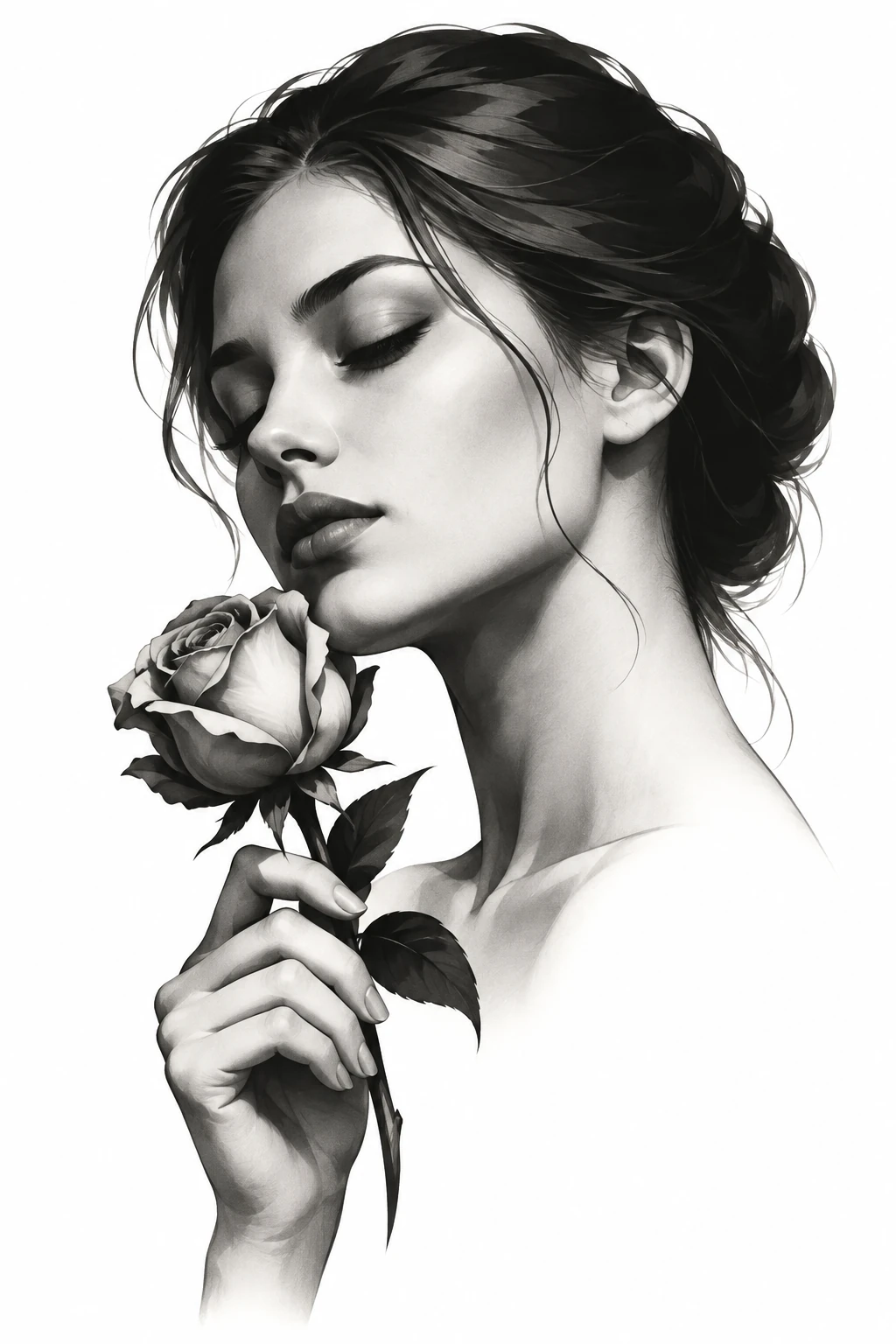
A black and grey tattoo uses only black ink, diluted with water into a range of greys. Shading does most of the work: soft transitions between light and dark give the design depth without any color. The style grew out of Chicano tattooing in Los Angeles and moved from prison tattoos into professional shops in the 1970s and 1980s.
Black ink is mixed with water in several strengths. Lighter washes build soft midtones; darker ones deepen the shadows.
The brightest areas are bare skin. Leaving them open keeps the design from turning muddy.
Neighboring shadows join into larger dark shapes, which give the design weight and help it hold contrast over time.
Detail goes where it matters most, such as the eyes or the center of a flower. The rest stays simpler, so the design still reads on skin.
Black and grey describes how a tattoo is shaded, not one single style. Many styles use it, from photographic portraits to fine line. The designs on this page sit between realism and illustration: they keep real proportions and expressions but leave out fine surface texture. In our generator, this style is called Black & Grey Illustrative.
Aims to look like a photograph, built from smooth shading with little or no outline. Black and grey realism is common for portraits and wildlife. It is one way to use black and grey, not the same thing.
Looks drawn rather than photographed, with visible linework and simplified, stylized forms. Many illustrative artists use grey shading inside clear outlines.
Rooted in Mexican-American communities in Los Angeles, with fine, smooth shading, religious imagery, portraits, roses and lettering.
Traditional Japanese subjects such as koi, dragons and waves are often done in black and grey, and color pieces often use grey shading in the background. See our Japanese guide.
Thin needles and light grey shading for small, delicate designs. See fine line tattoos.
Choosing between black and grey and color is often one of the first decisions. Color adds a palette to work with; black and grey puts all the attention on light, shadow and shape. Many color styles, such as neo traditional, can also be done in black and grey.
| Color | Black and grey | |
|---|---|---|
| Palette | Any mix of pigments | Black ink in a range of greys |
| Shading | Color blends and solid color fills | Grey wash transitions from dark to light |
| Look | Bold or bright, depending on the palette | Soft, tonal and monochrome |
| Best for | Designs where color carries the meaning or mood | Portraits, figures and finely detailed subjects |
| Over time | Small, detailed color pieces can blur together | Pale greys soften first; dark areas stay readable |
In black and grey, the design comes down to what you show in detail and what you leave in light or shadow.
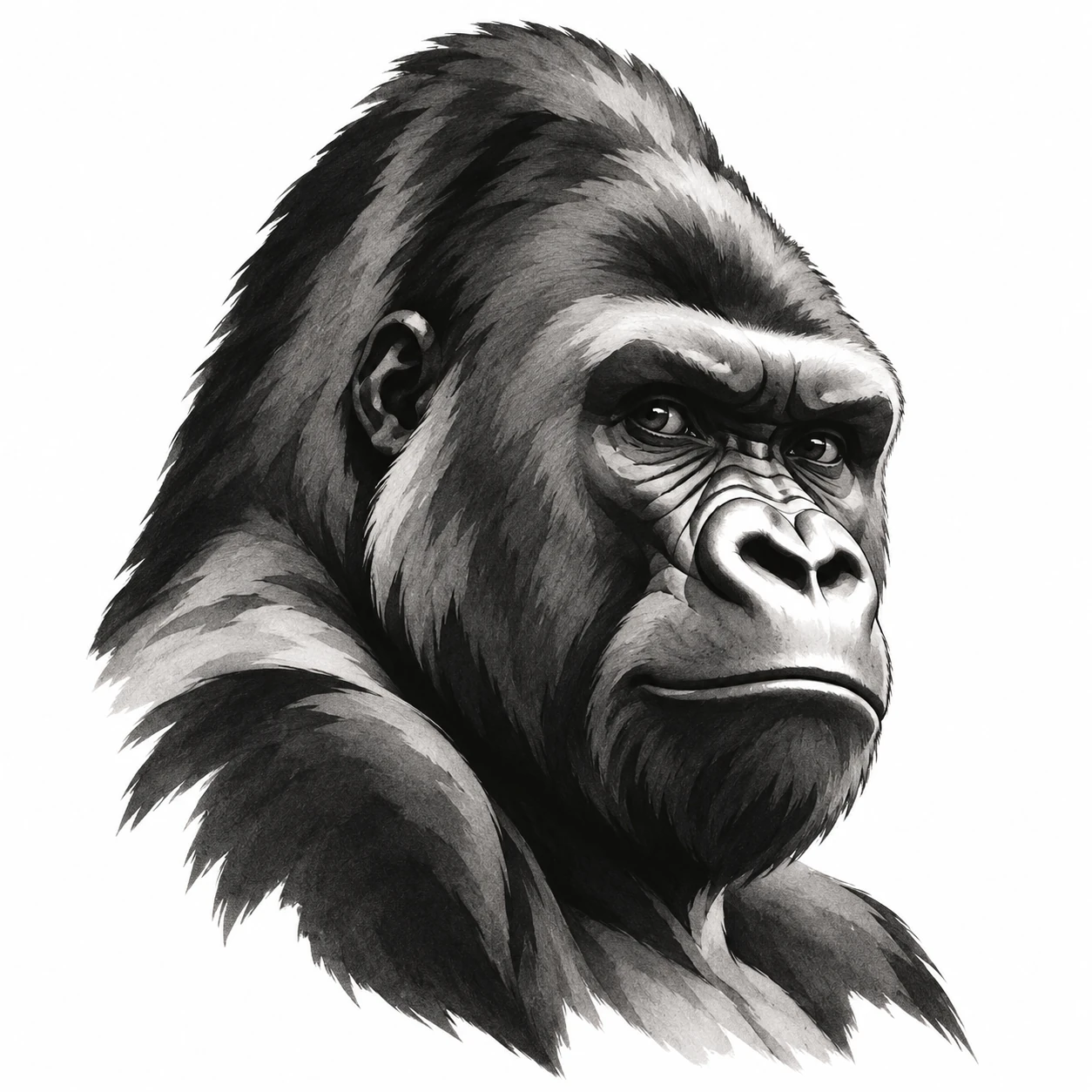
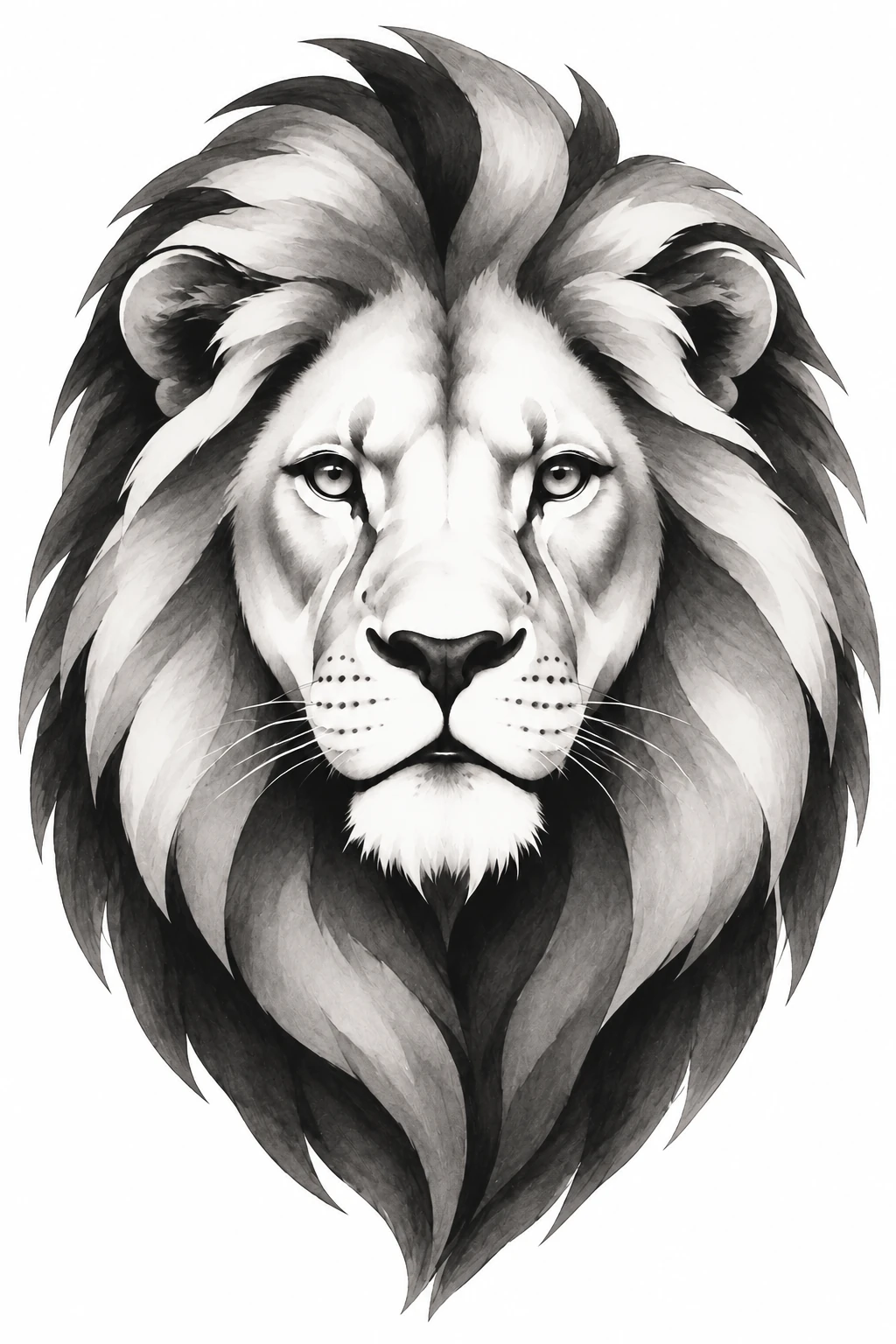
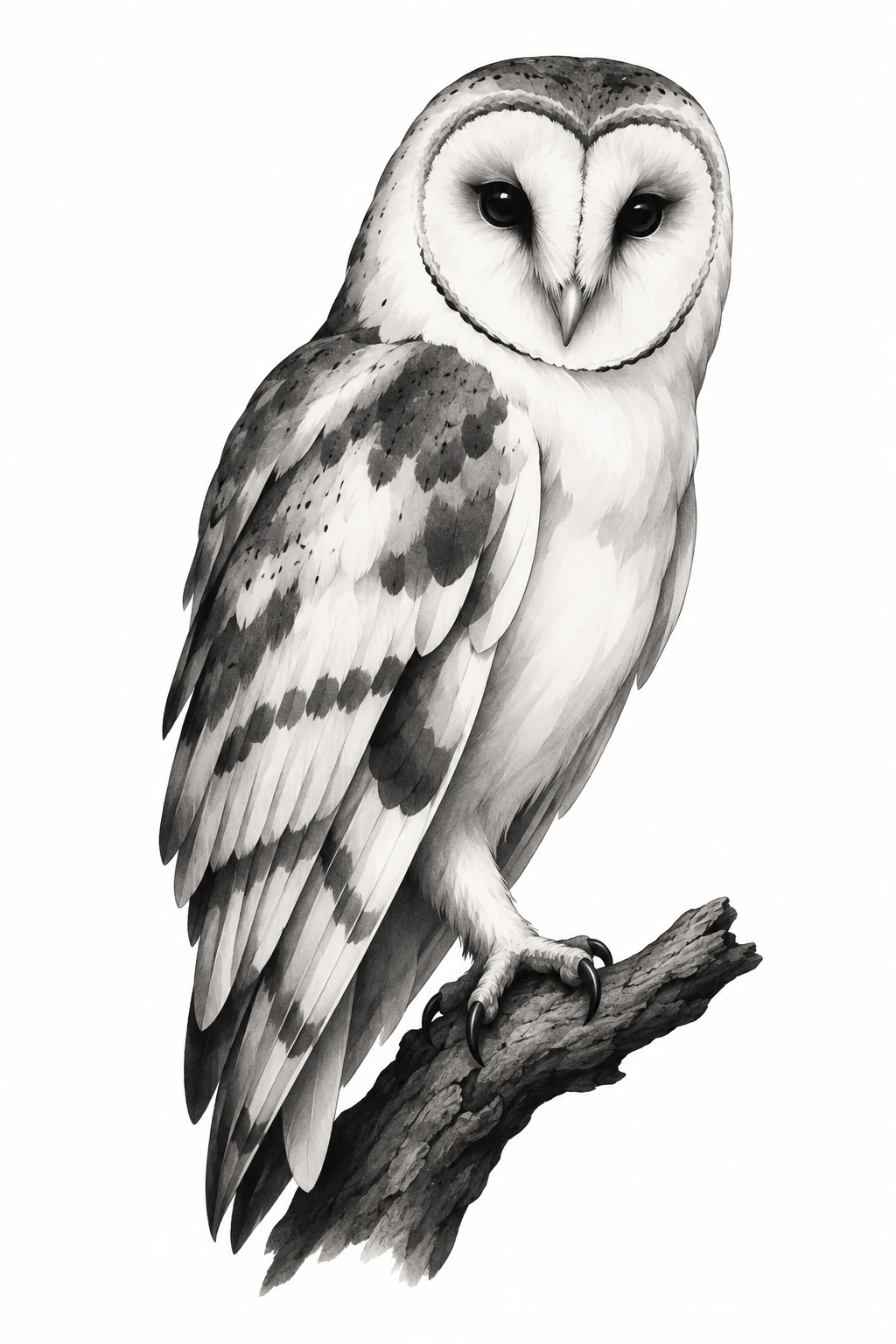
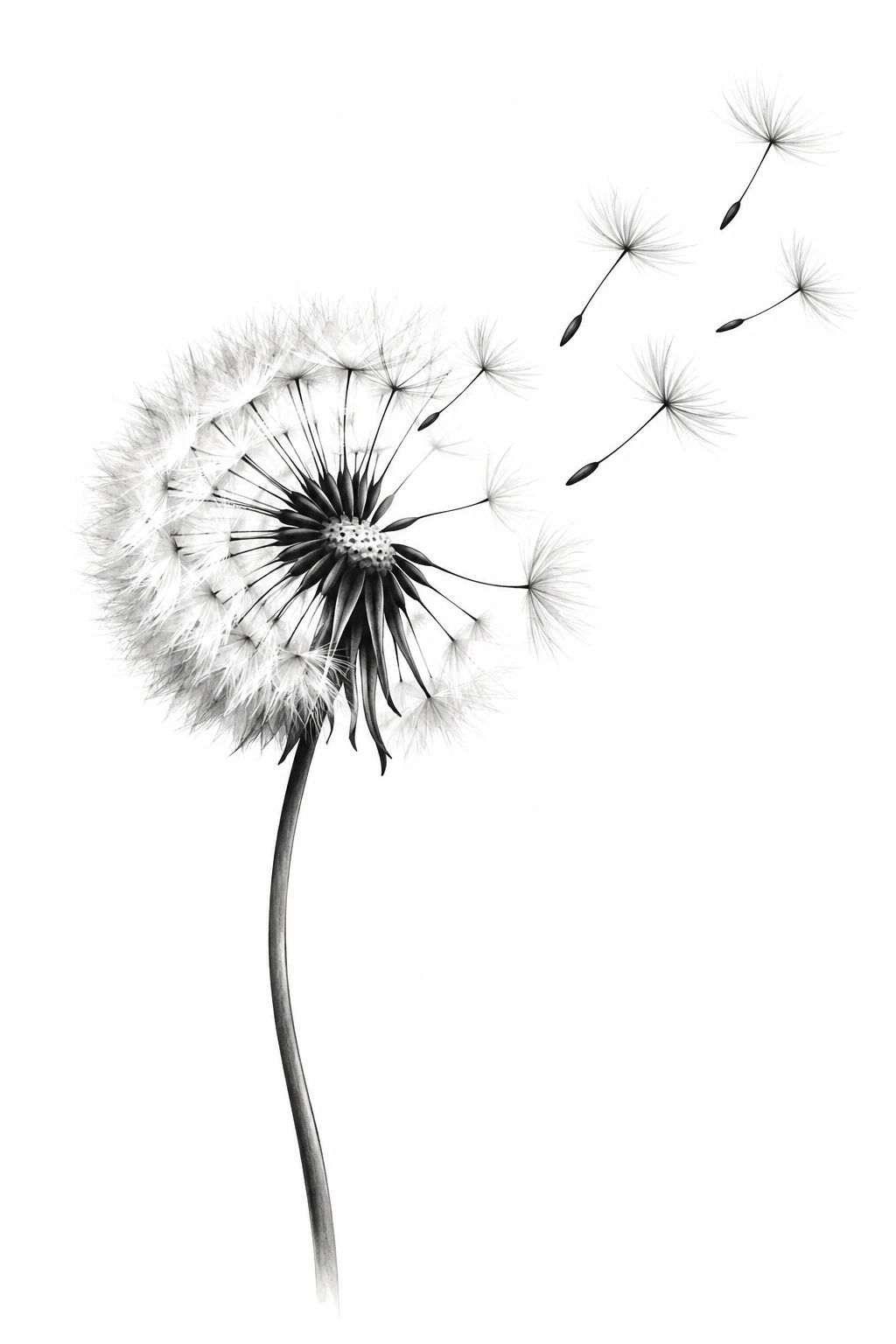
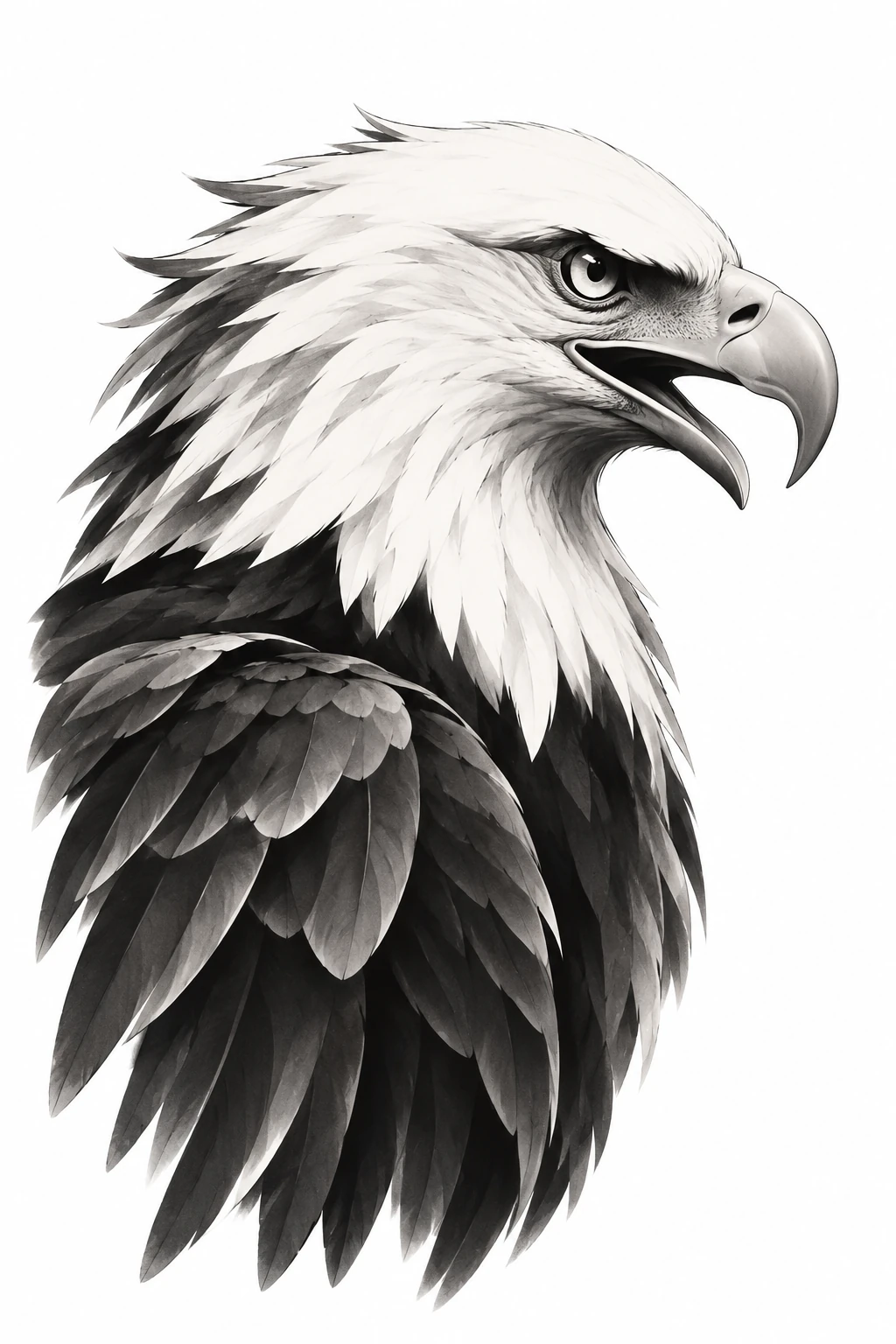
Grey shading needs space to move from dark to light. On a small tattoo the midtones are the first thing to go, so save fine gradients for larger areas.
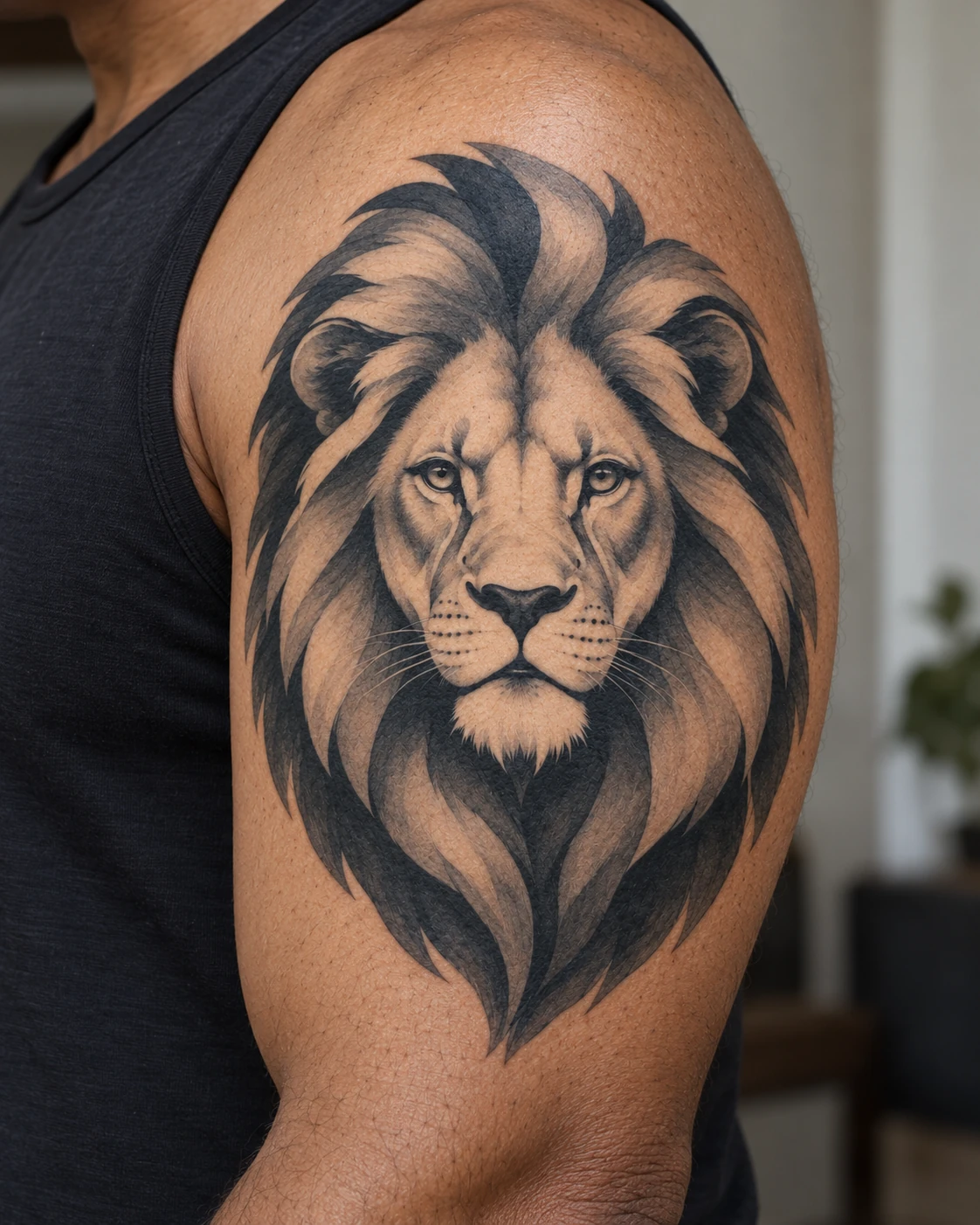
Room for an animal head, a classical bust or a compact object.
Shape: Vertical designs that follow the arm.
A tattoo artist can adjust the size and contrast for your placement, and may simplify the midtones on a smaller piece.
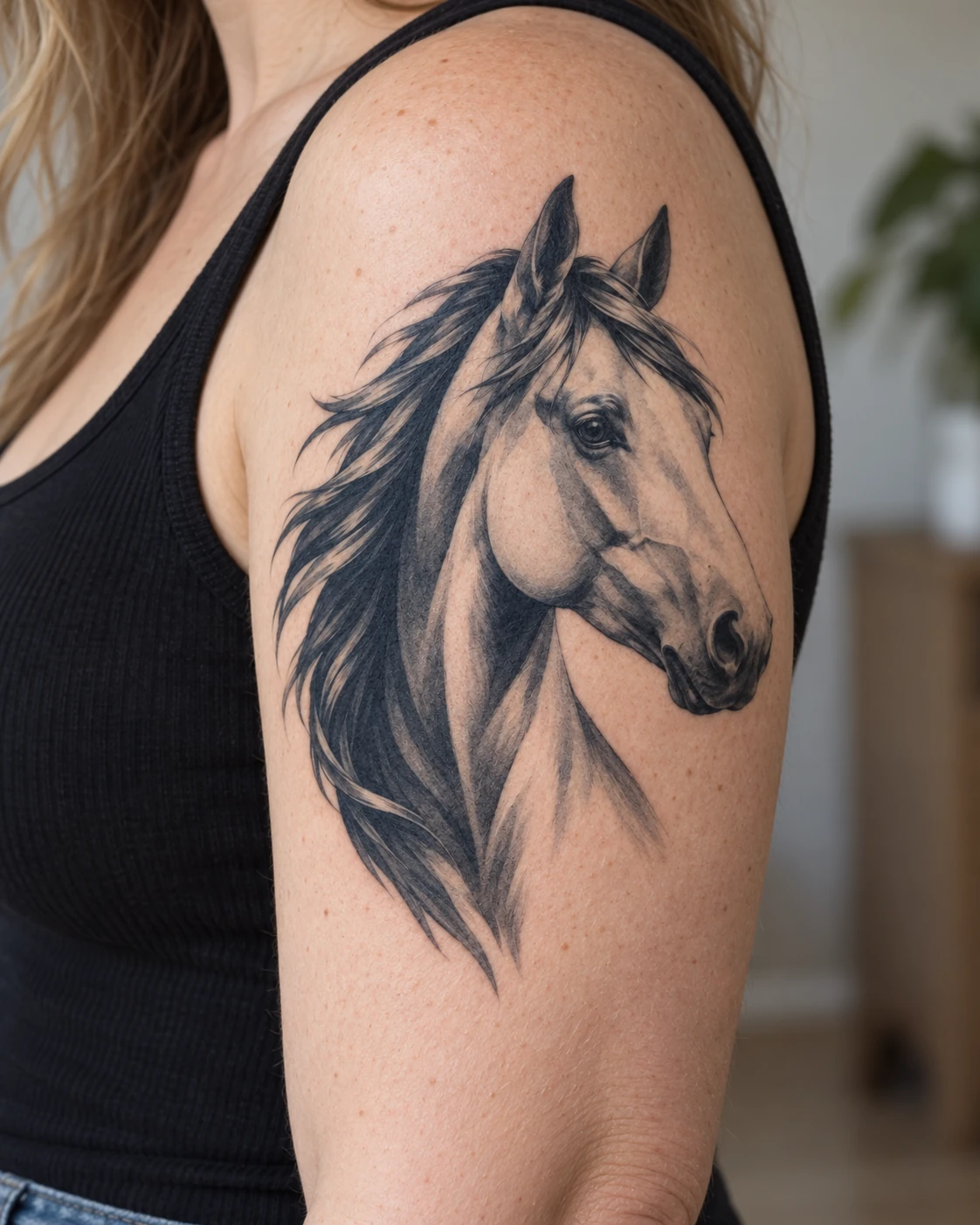
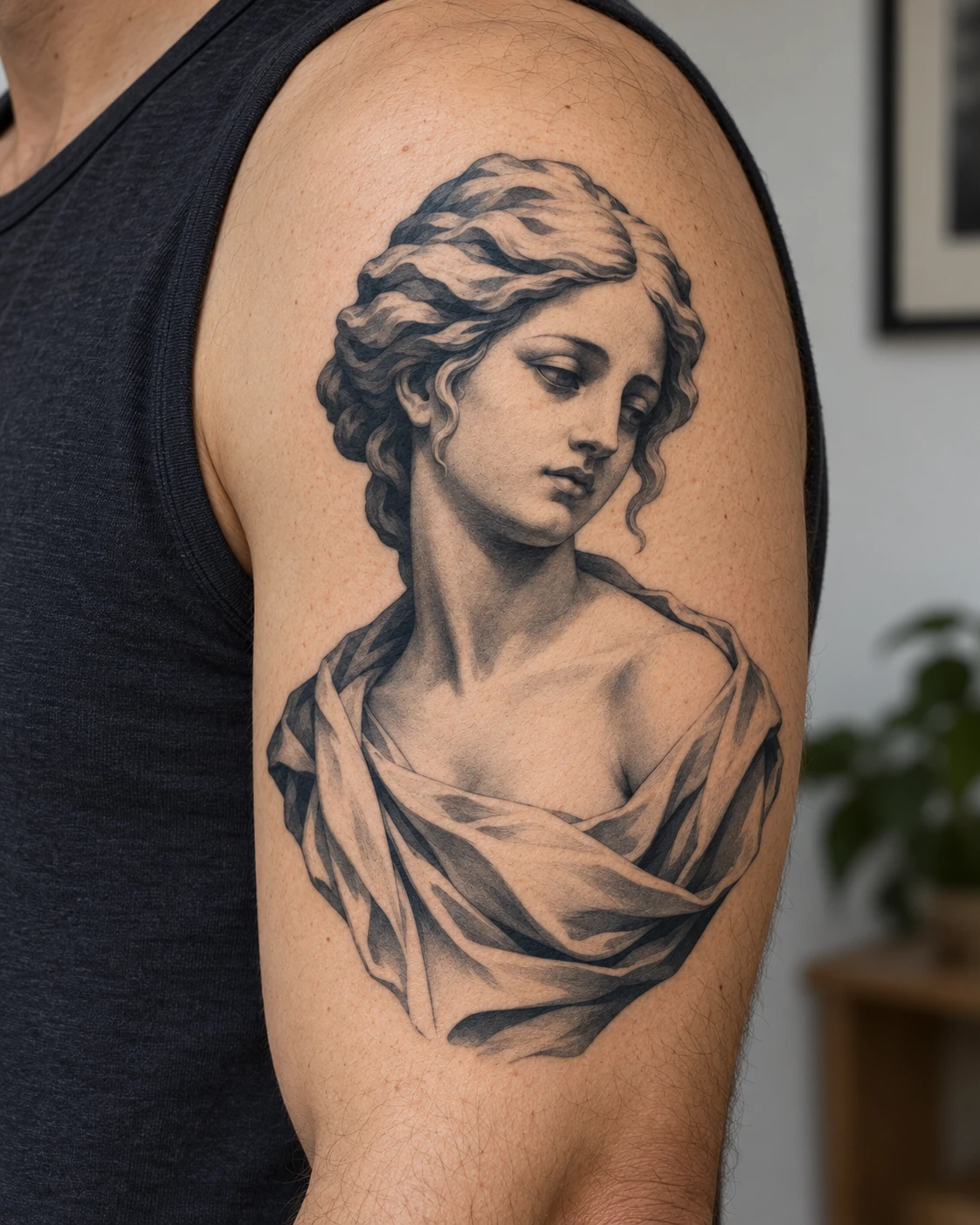
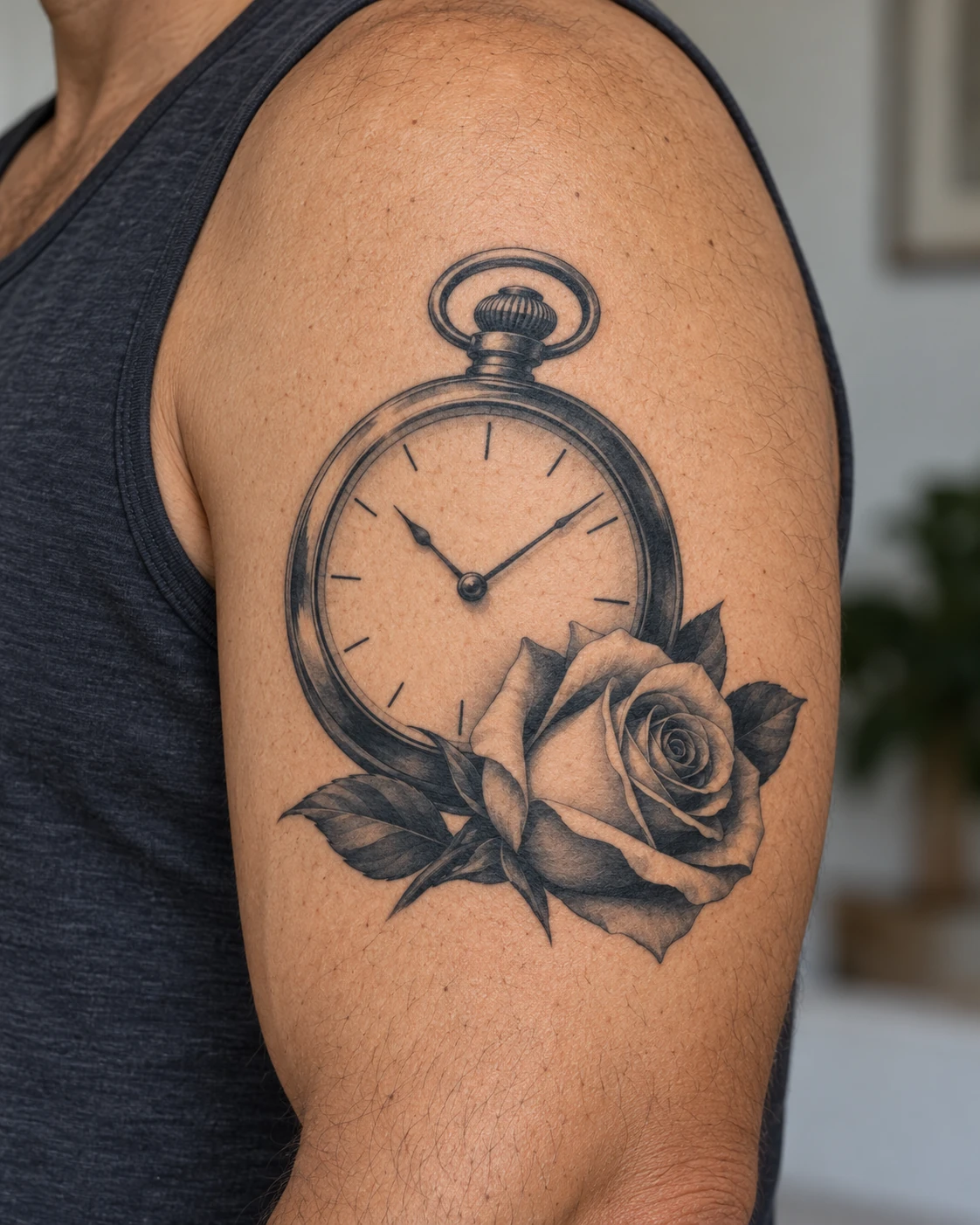
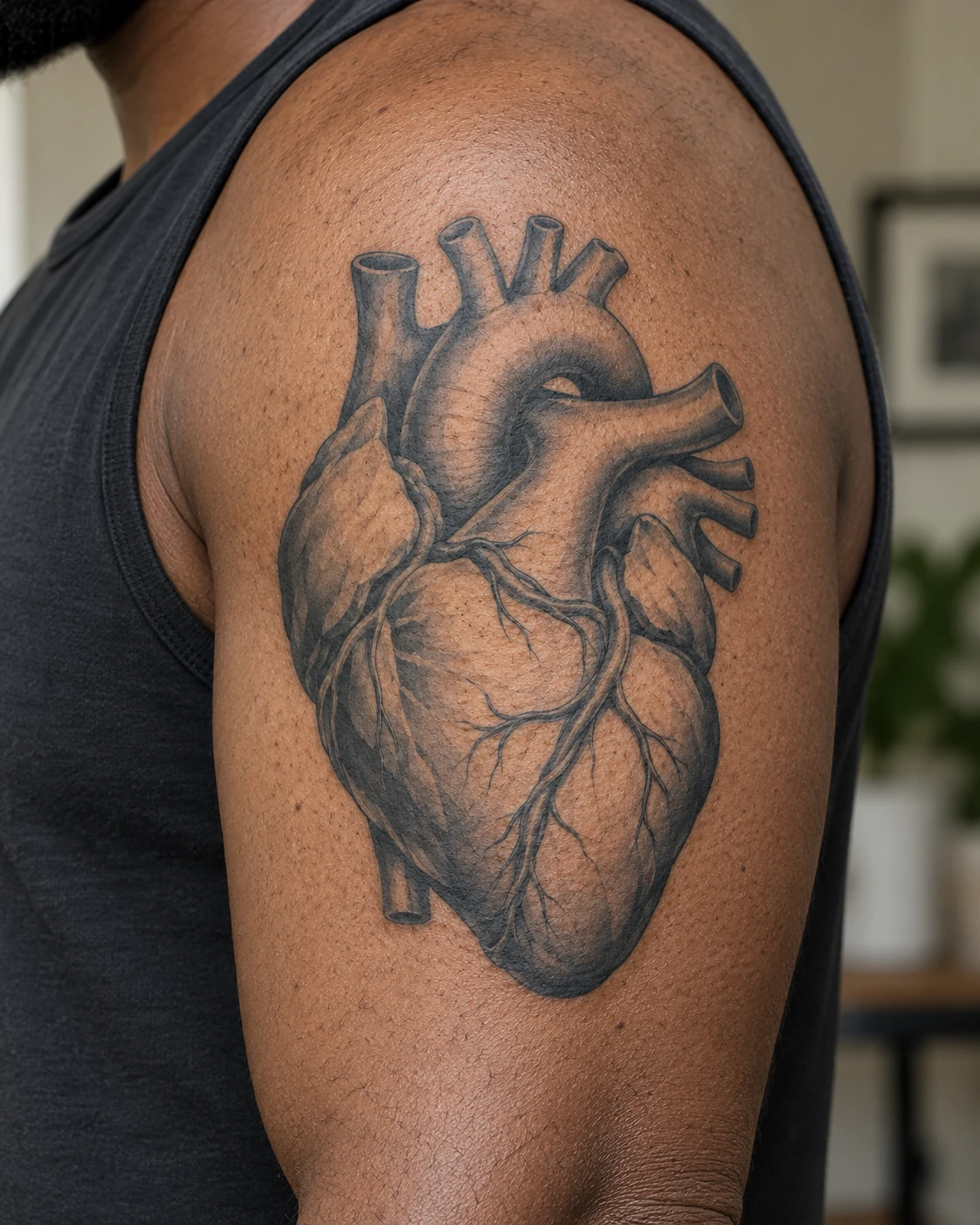
A visible surface for upright subjects and detailed objects.
Shape: Tall compositions such as an eagle, a dandelion or a chess piece.
A tattoo artist can adjust the size and contrast for your placement, and may simplify the midtones on a smaller piece.
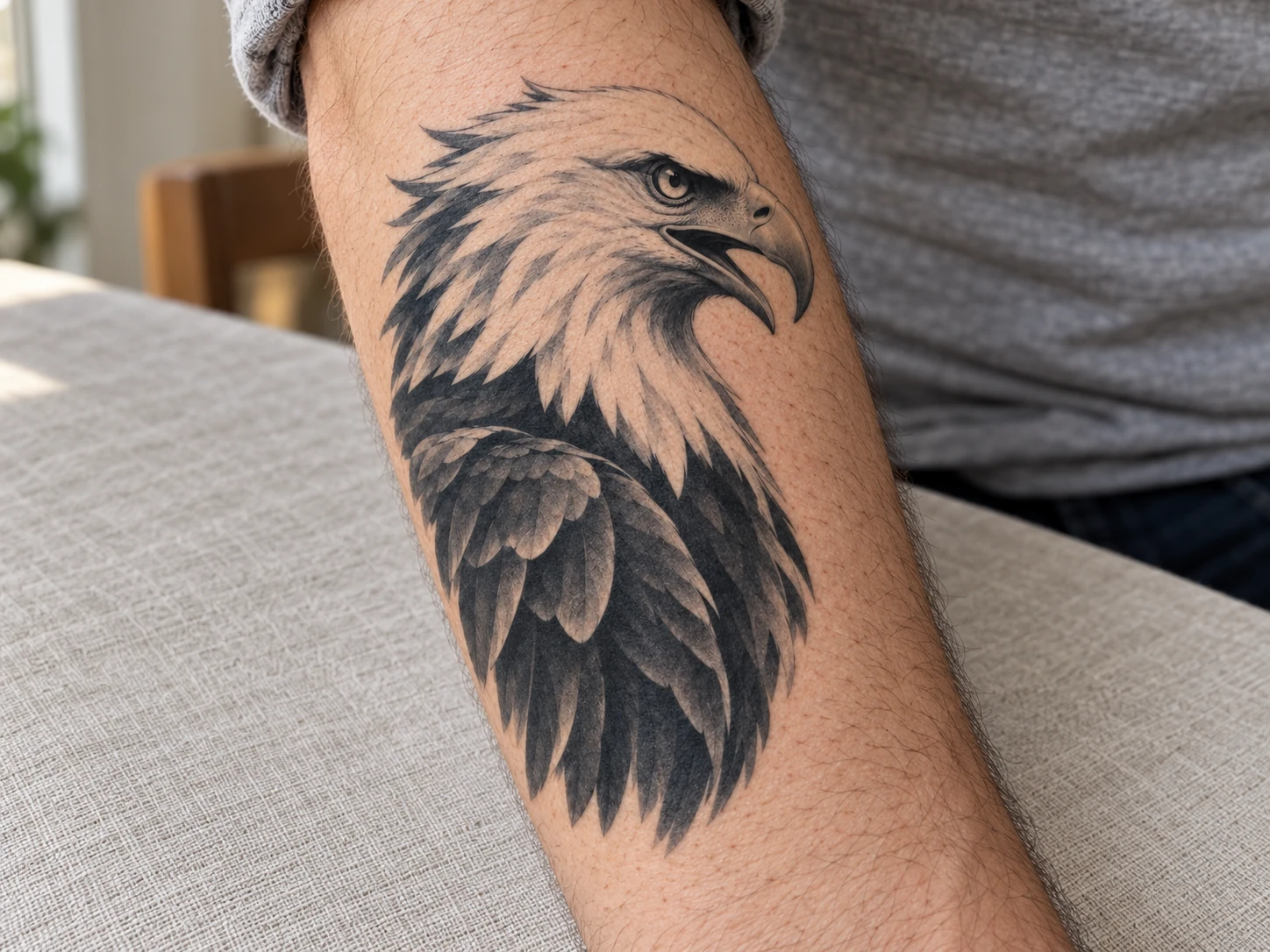
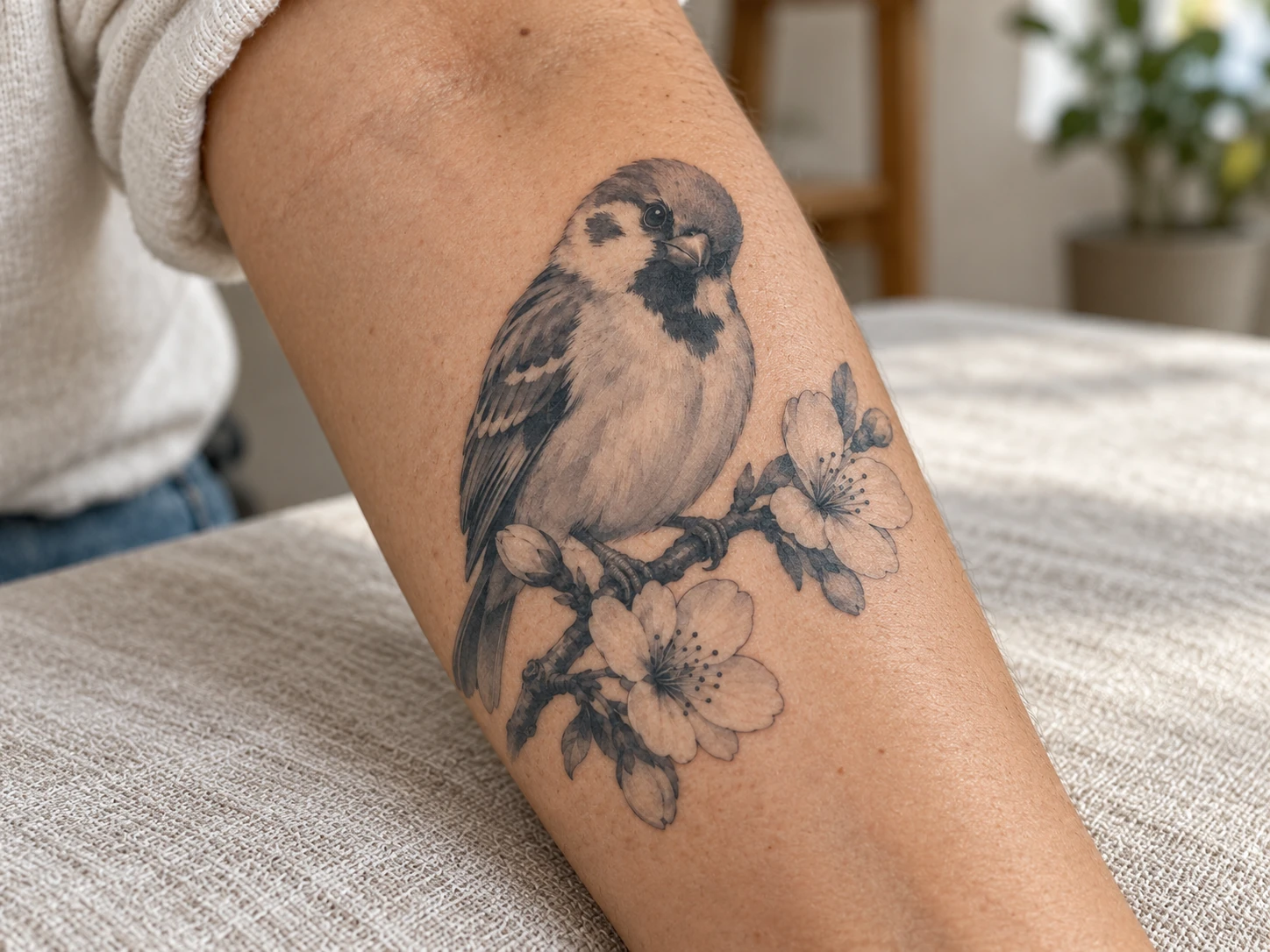
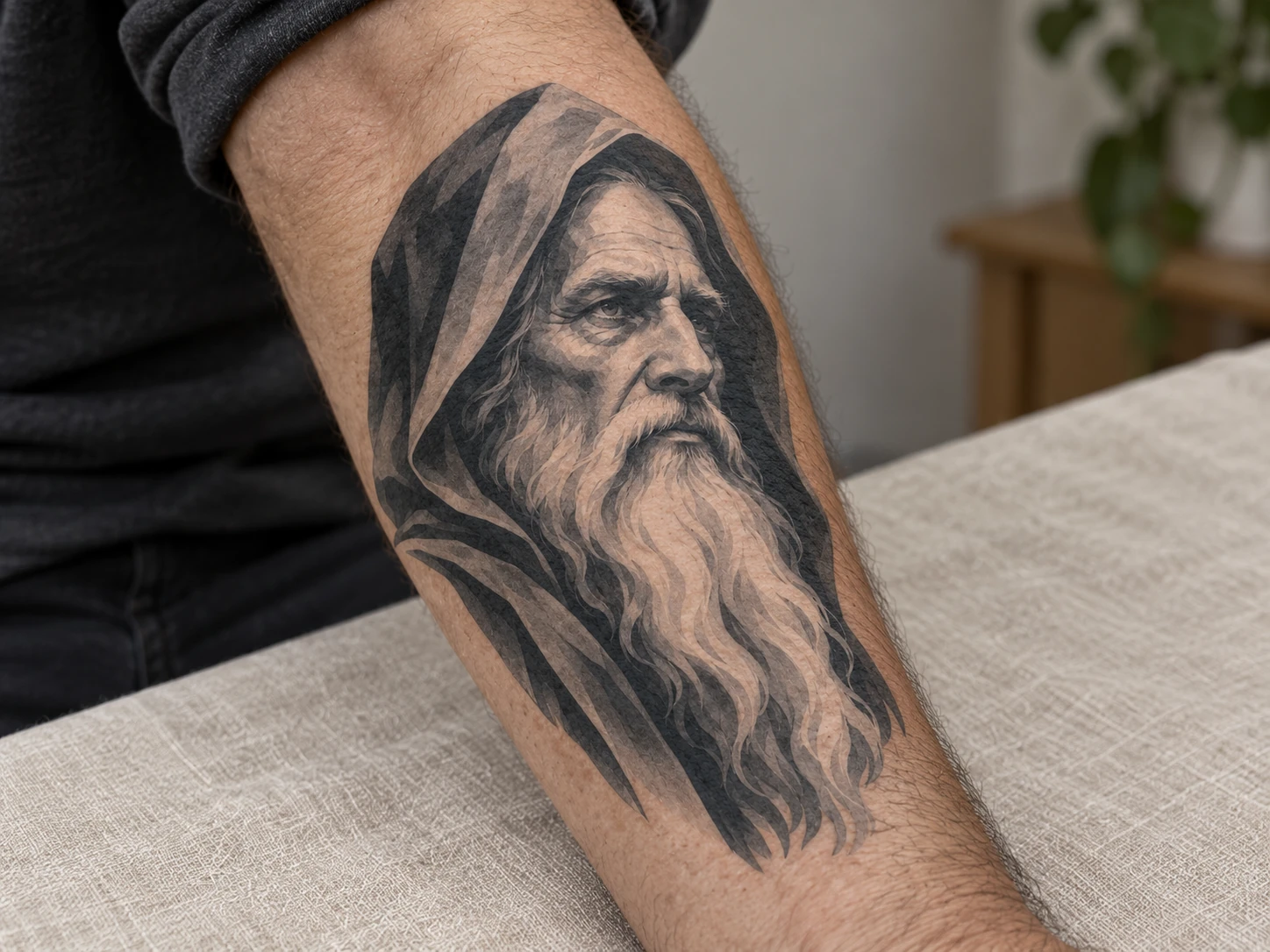
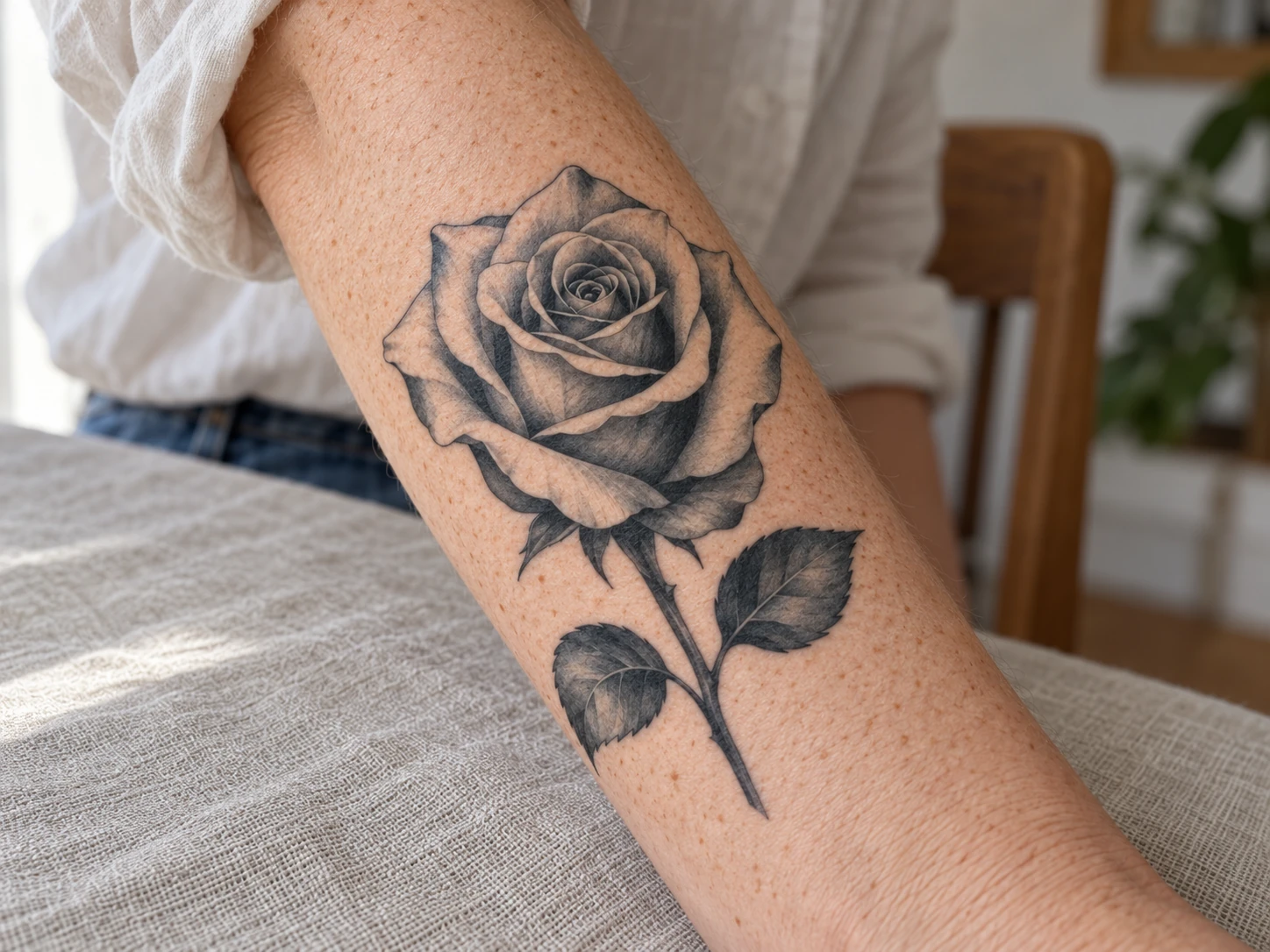
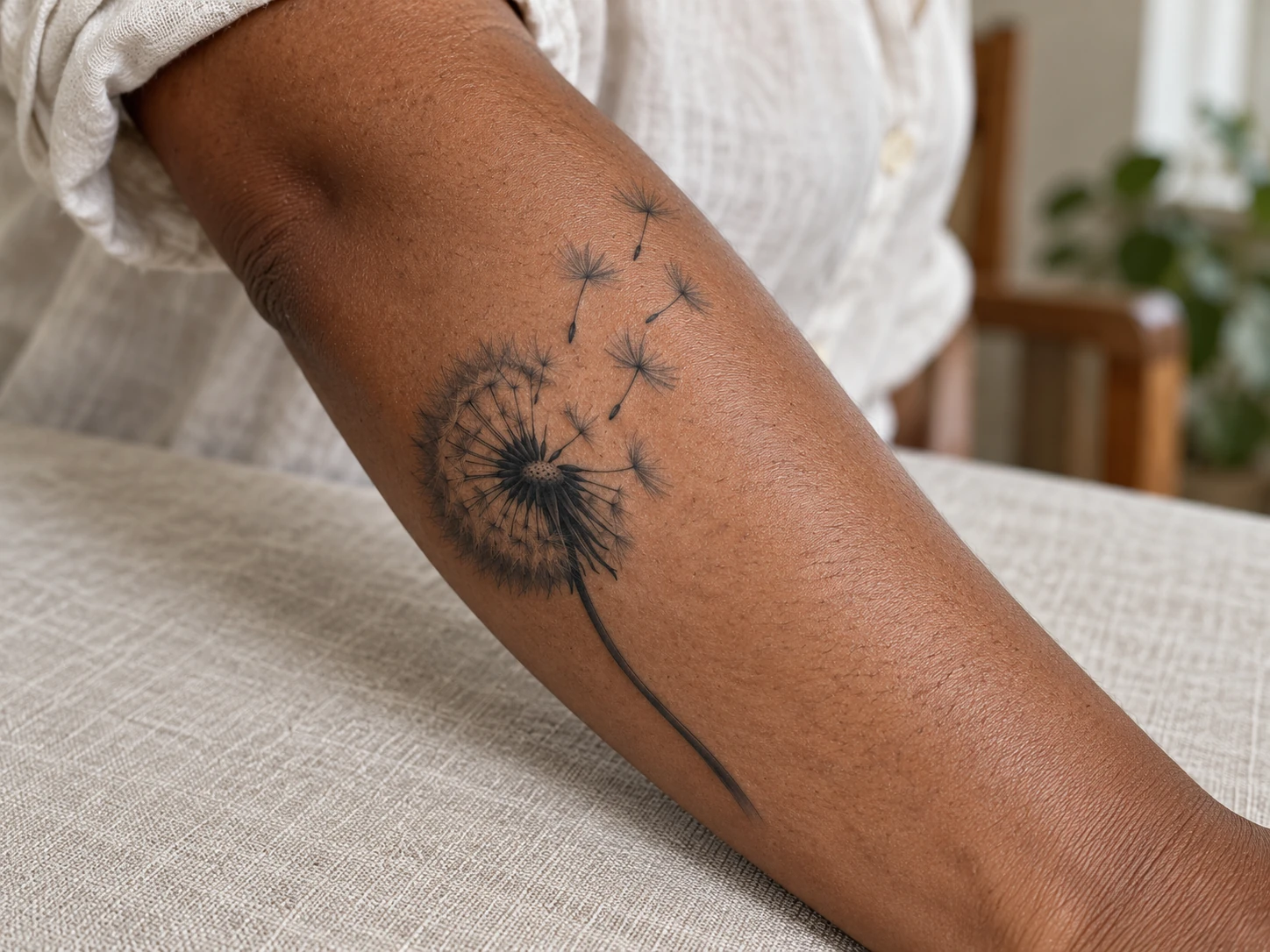
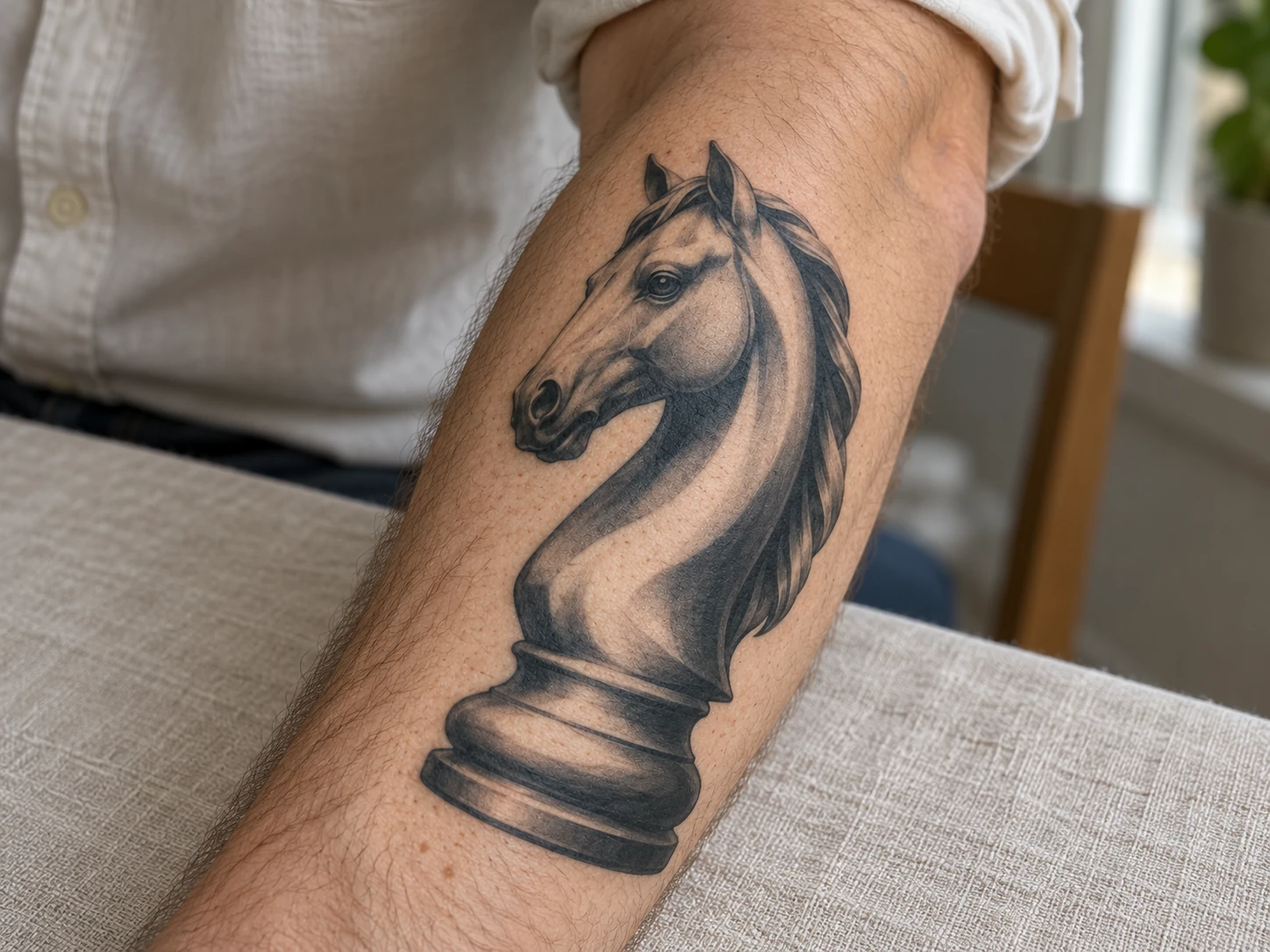
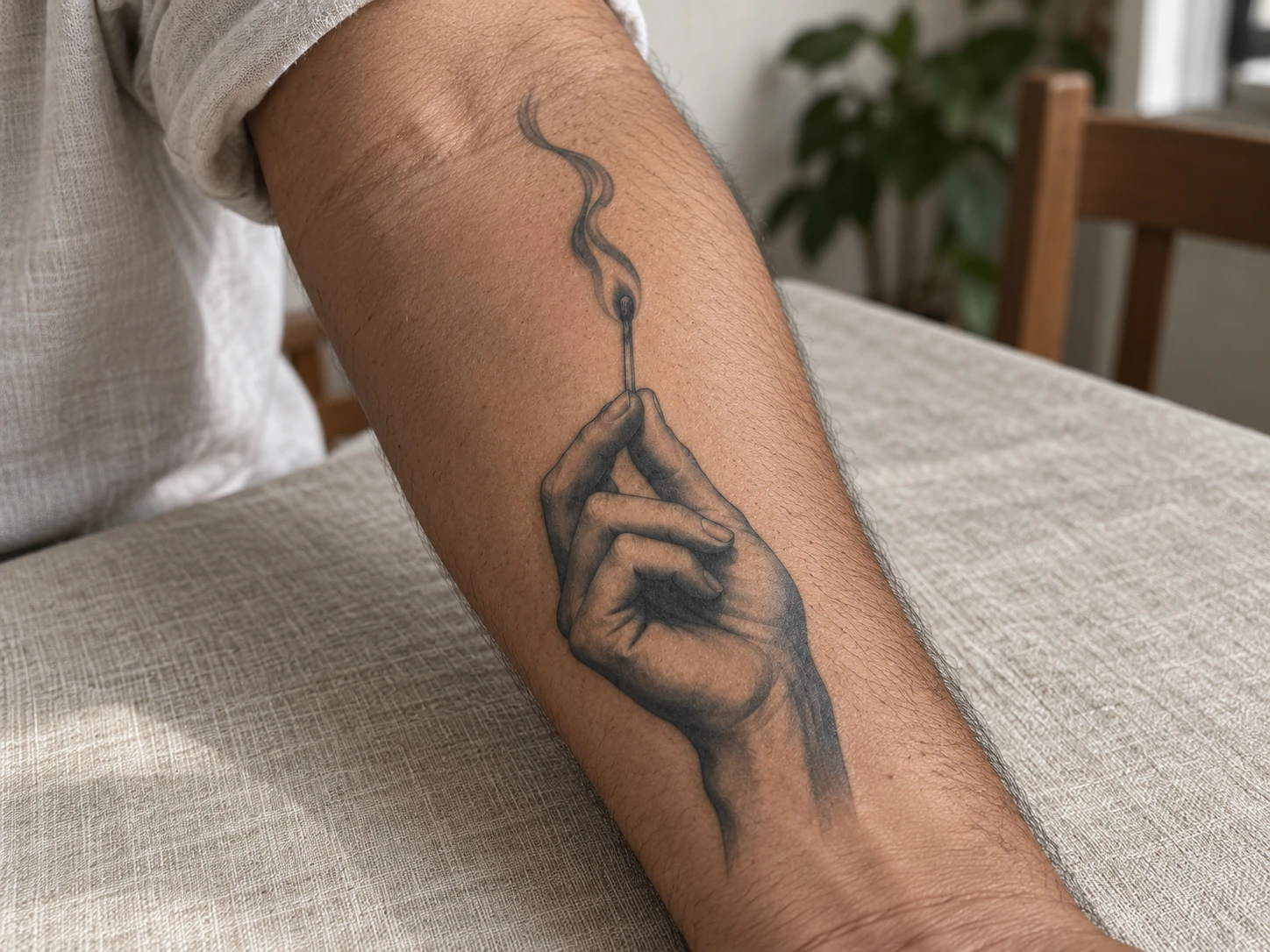
The widest area, for scenes and paired subjects.
Shape: Horizontal designs such as a doe and fawn or a peony.
A tattoo artist can adjust the size and contrast for your placement, and may simplify the midtones on a smaller piece.
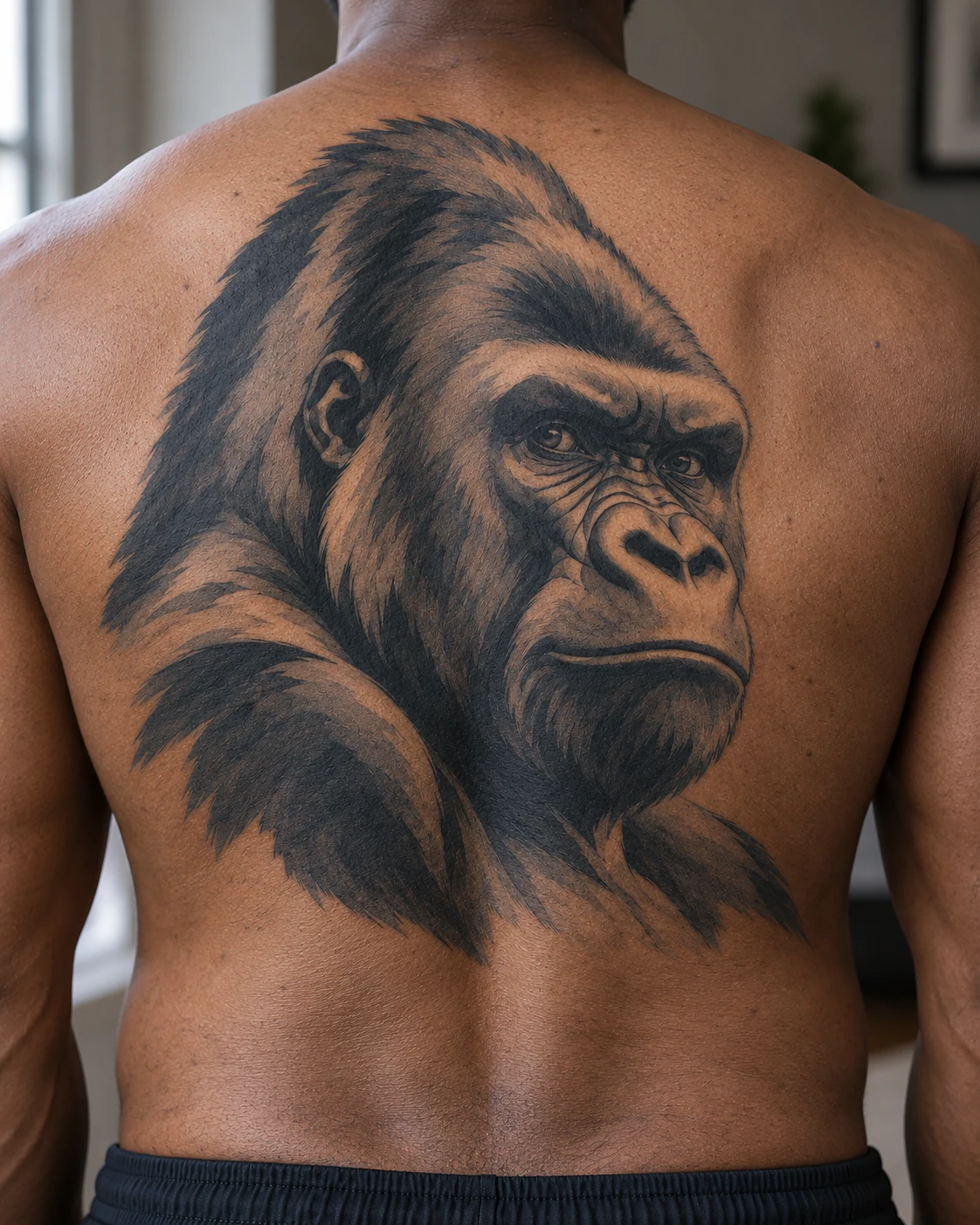
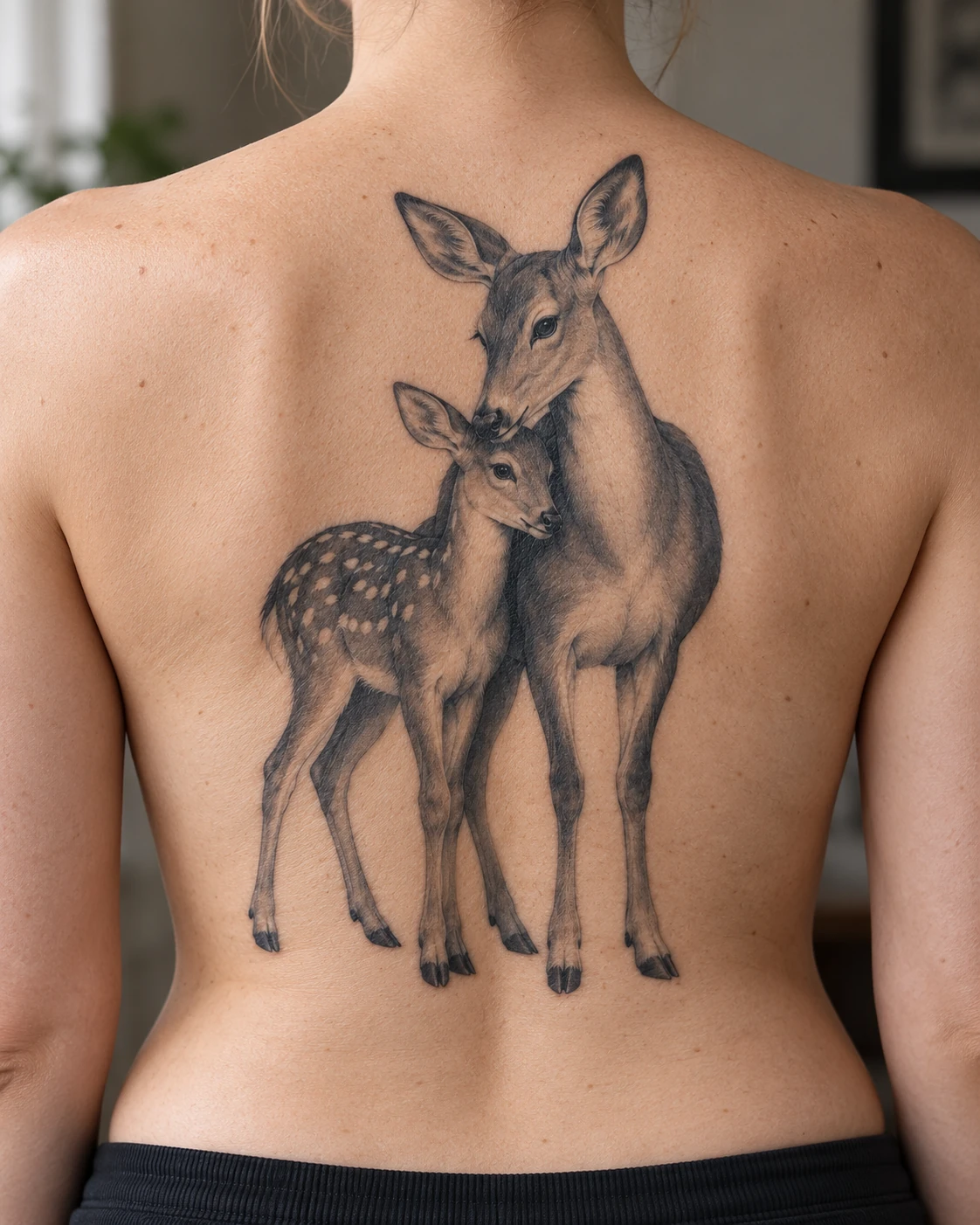
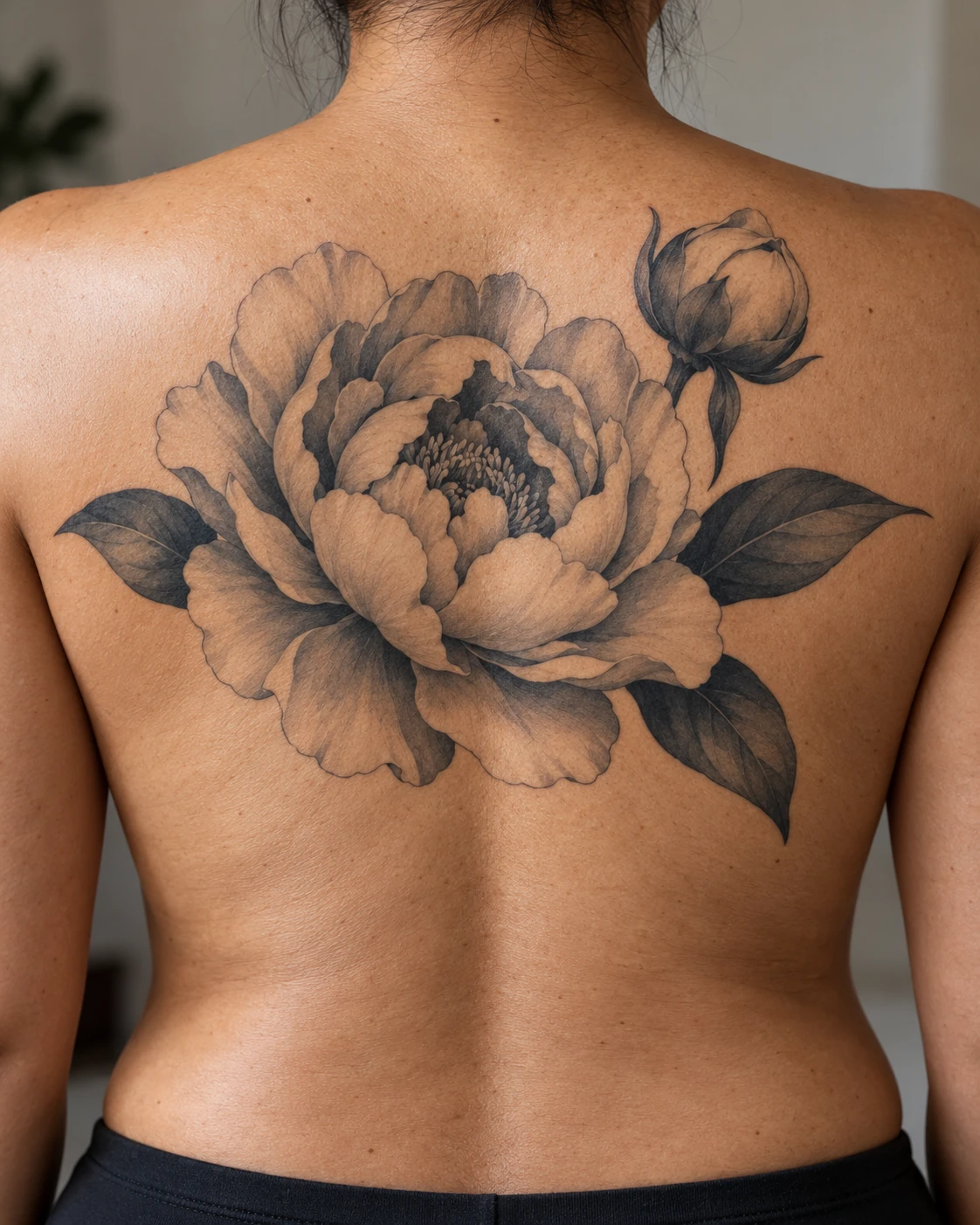
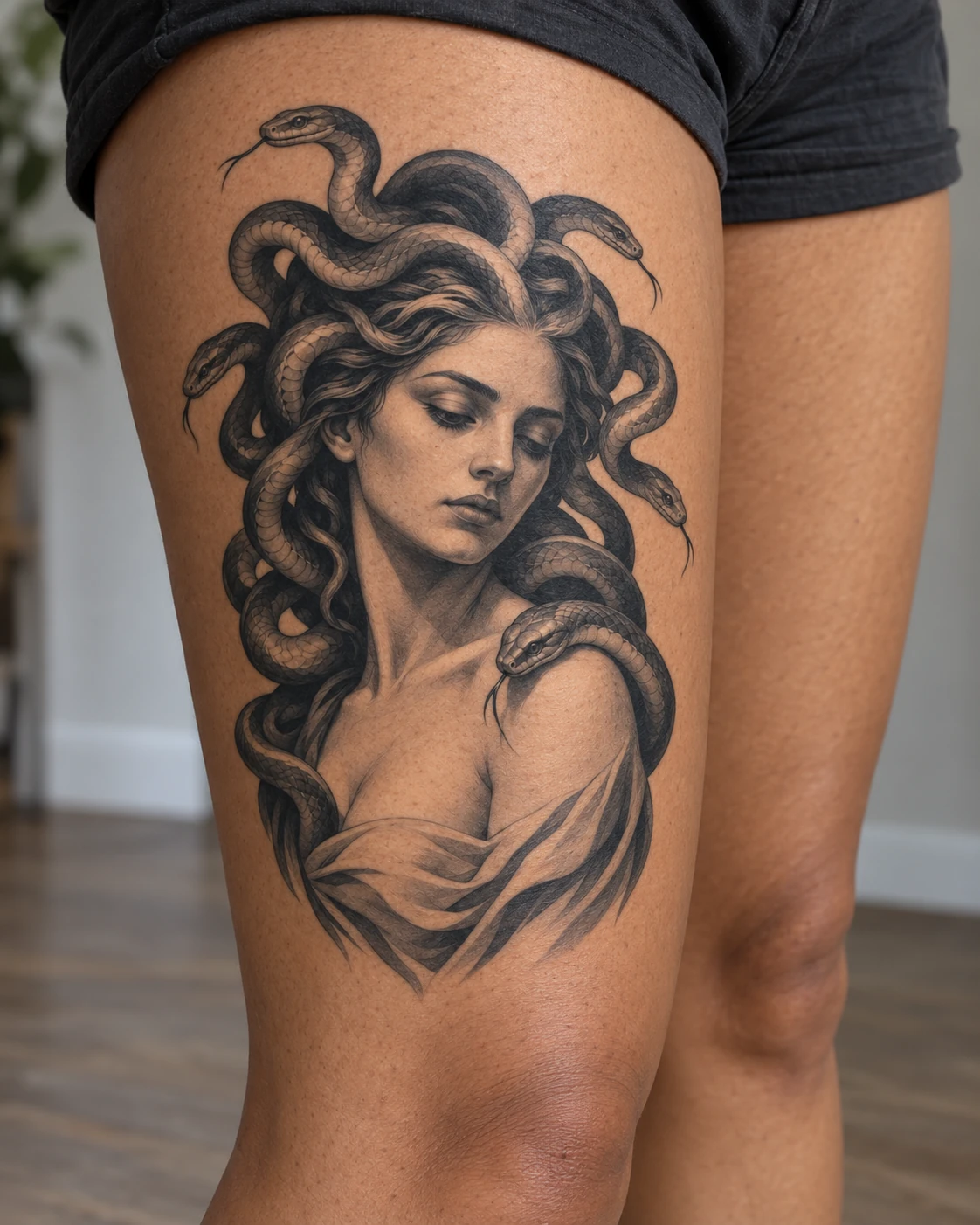
A broad area for larger, detailed pieces.
Shape: Portraits and square designs such as Medusa or an elephant.
A tattoo artist can adjust the size and contrast for your placement, and may simplify the midtones on a smaller piece.
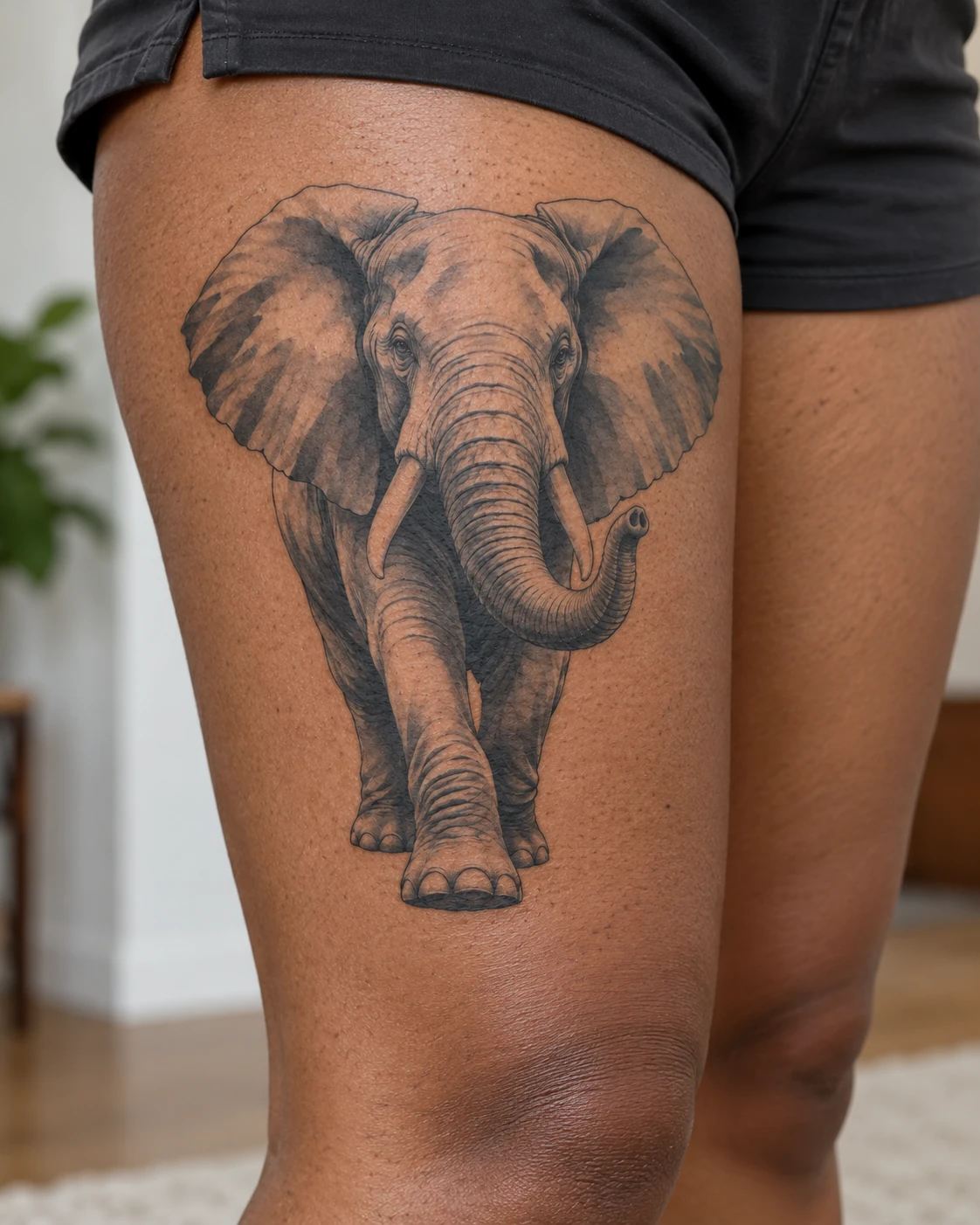
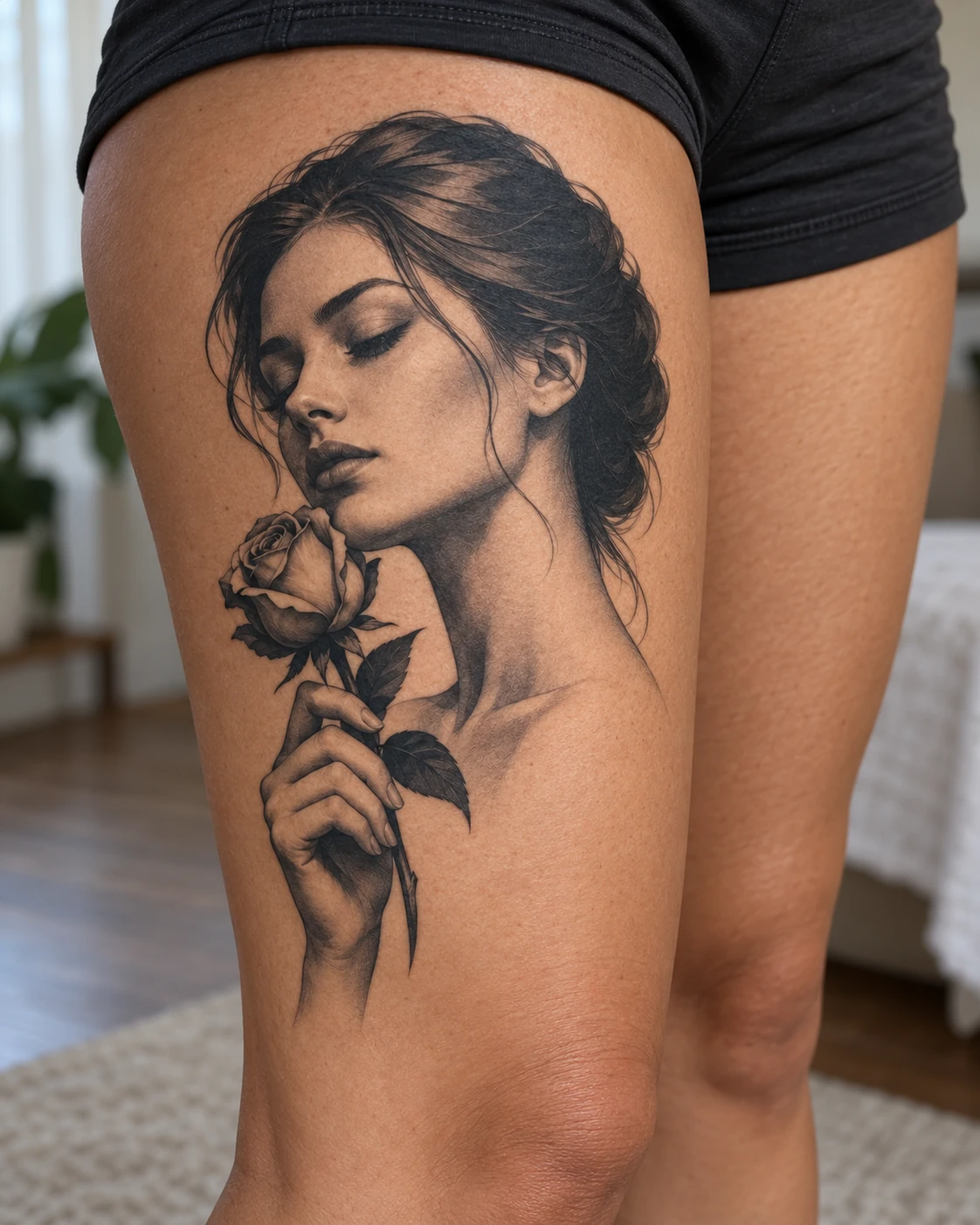
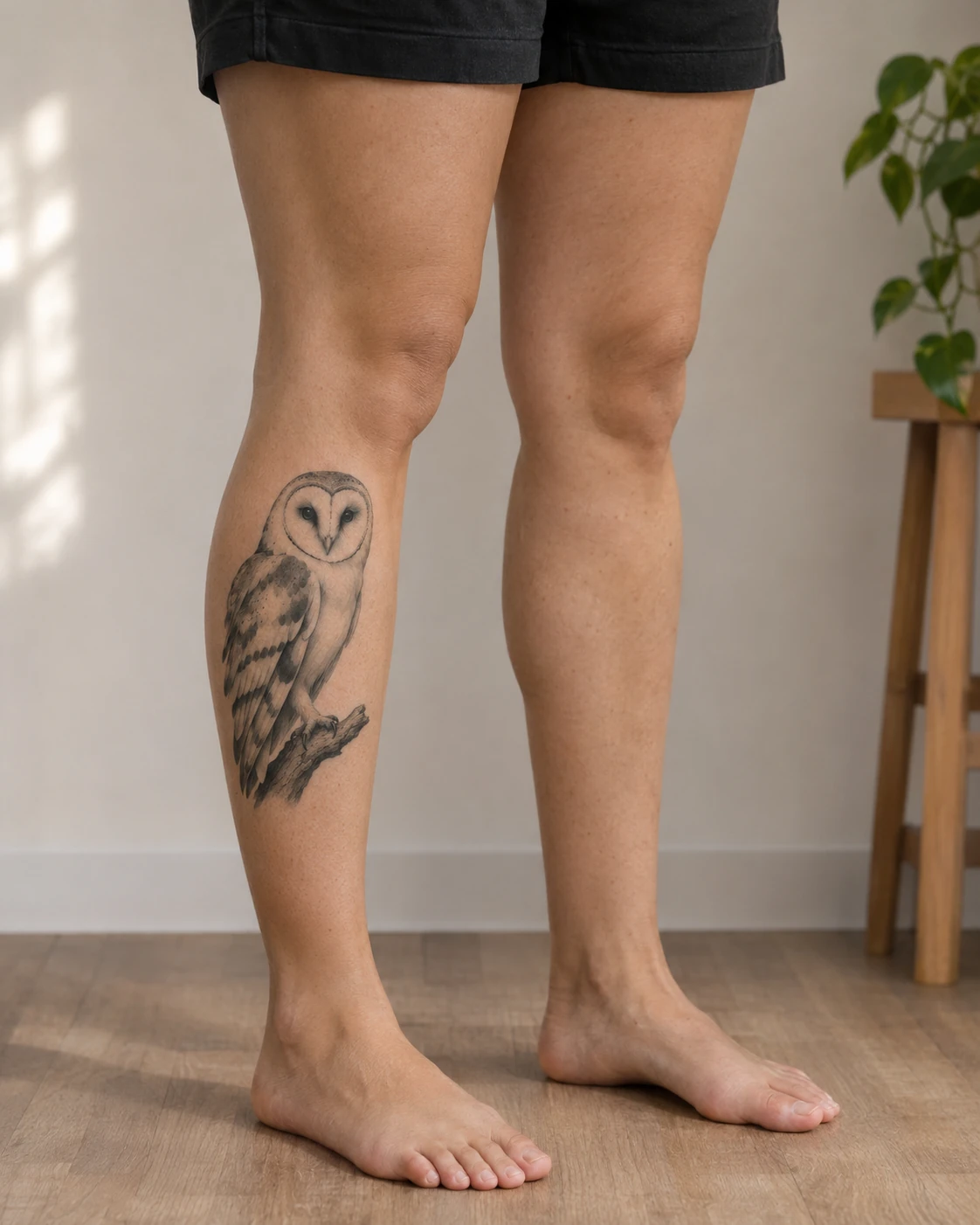
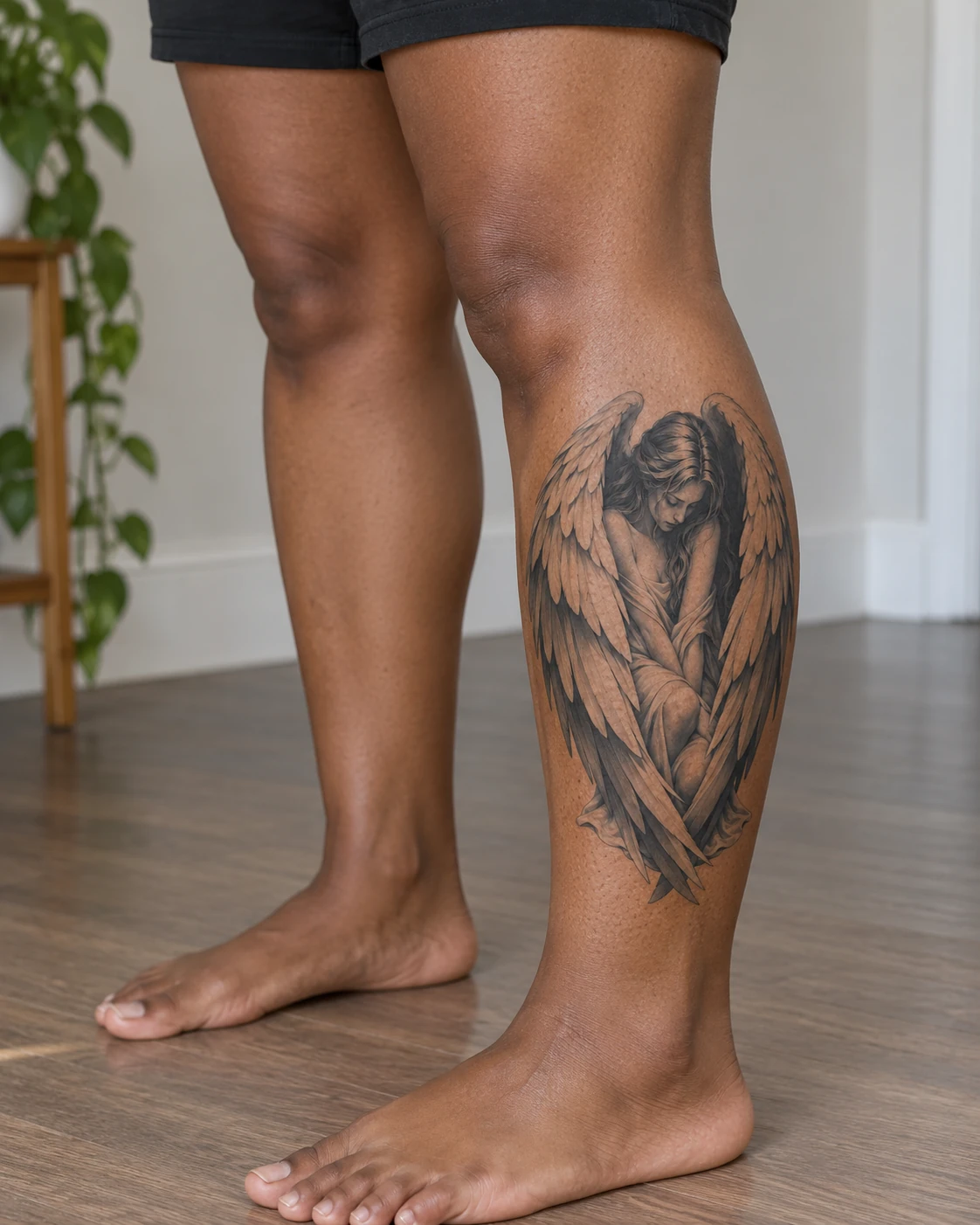
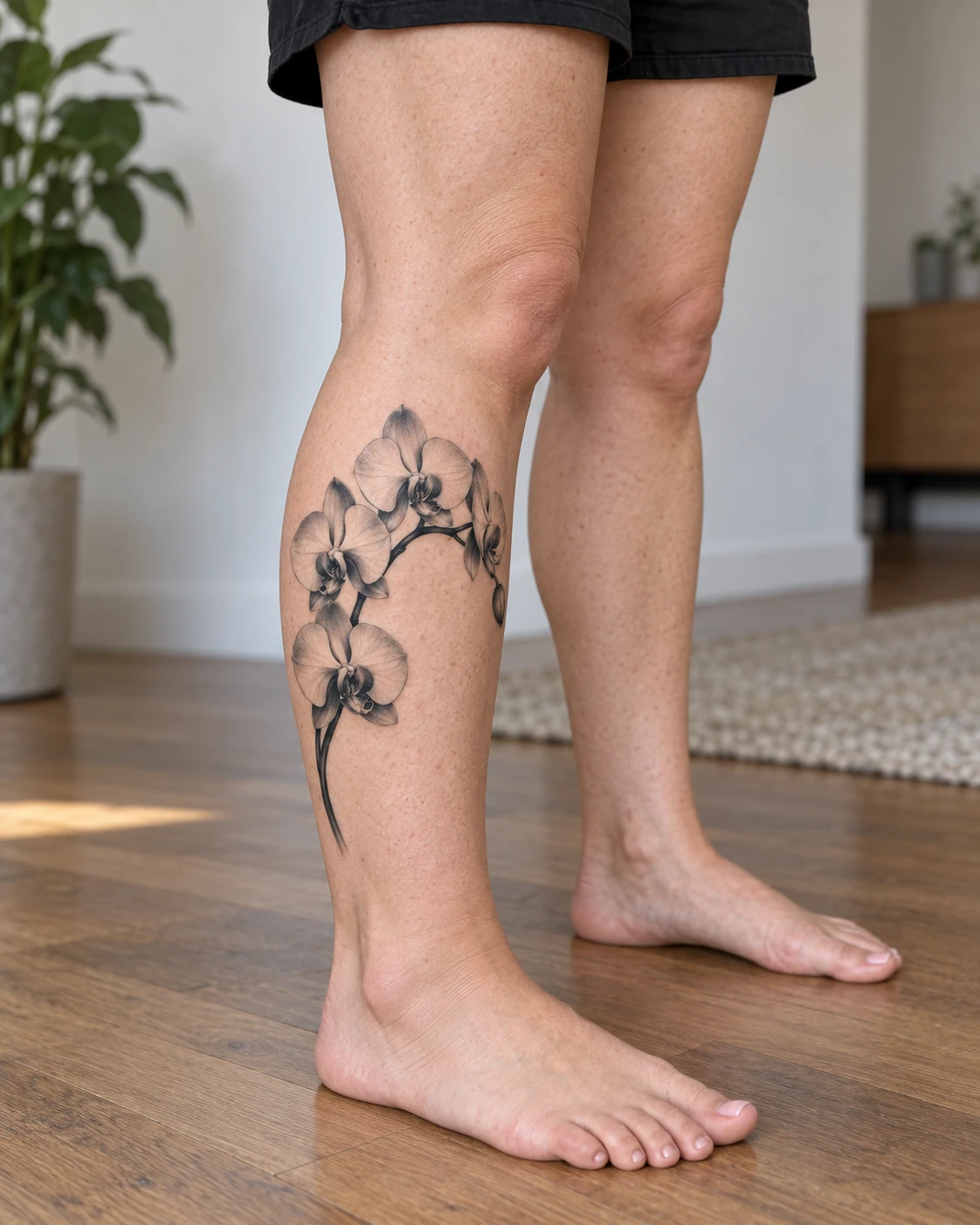
A long area for tall, narrow designs.
Shape: Upright subjects such as an angel, a barn owl or orchids.
A tattoo artist can adjust the size and contrast for your placement, and may simplify the midtones on a smaller piece.
Black and grey tattoos often age well, but their tones shift as the tattoo settles. The stronger the darks, the longer the design stays readable.
The palest washes can fade into the skin sooner than darker areas.
Strong darks next to open skin help the design keep its shape as the greys settle.
Protecting the tattoo from sun helps the greys last.
An artist can deepen faded shading once the tattoo has healed.
Both spellings are correct and mean the same thing. "Grey" is more common in British English and "gray" in American English, and tattoo artists use both. We use "black and grey", which matches the name of our generator style.
Black and grey dilutes the ink into soft grey shading. Blackwork keeps the black at full strength and uses open skin for the light. See side-by-side examples on our blackwork page.
Often, yes. Some artists use black and grey as a base and add color on top, but color cannot cover solid black. If you think you may want color later, tell your artist before you start.
Use it as the starting point. TatSketch designs are concept images, not ready-to-use stencils, so the usual next step is to take the design to your tattoo artist. They redraw the design at the right size for your placement, then transfer that stencil to your skin.
No. Every design and on-skin preview on this page is an AI-generated concept. Bring a design you like to a tattoo artist, who can adapt it to your body.
Describe your subject, choose the Black & Grey Illustrative style and generate a design shaded in soft greys.